
China Delivers First Domestically Blended Marine Biofuel to Qingdao for Bunkering, Accelerating Green Shipping Market
China has achieved a major breakthrough in the global maritime energy transition and green shipping fuel market with the delivery of its first batch of domestically blended marine biofuel for bunkering operations at Qingdao Qianwan Port, signaling a strong push toward low-carbon shipping, sustainable fuel adoption, and high-efficiency maritime logistics.

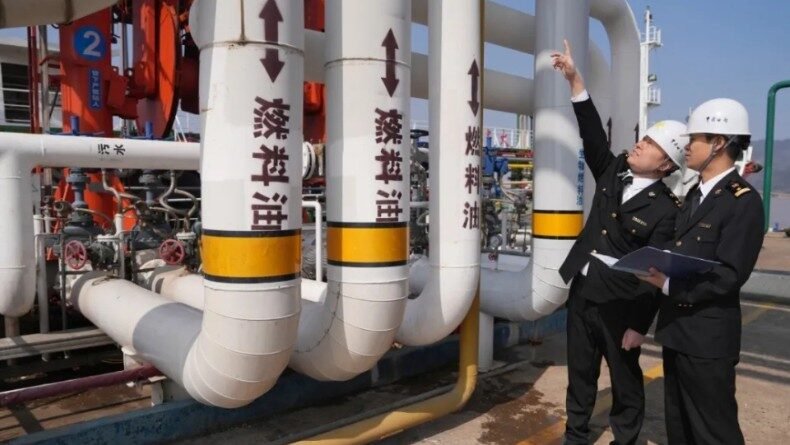
According to Hangzhou Customs, the milestone shipment was completed on March 23 when the oil tanker Da Yuan You 8 transported approximately 2,600 metric tonnes of blended marine biofuel from Zhoushan storage facilities to Qingdao, where it was supplied to international vessels. This marks the first successful end-to-end domestic biofuel supply chain in China, covering blending, storage, transport, and bunkering, an important development for global shipping decarbonization and alternative marine fuels.
The project builds on earlier progress within the China (Zhejiang) Pilot Free Trade Zone, where China launched its first marine biofuel blending pilot program. The initial production involved blending biodiesel with high sulphur fuel oil to create B24-HSFO, a next-generation drop-in marine fuel that can be used in existing ship engines without modification, making it highly attractive for shipping companies seeking cost-effective emissions reduction solutions.
Officials emphasized that this development represents a fully integrated marine biofuel ecosystem, supported by streamlined customs supervision and logistics innovation. Zhoushan Customs introduced a full-process regulatory and service framework to ensure efficient bunkering operations, reducing turnaround time and operational costs while boosting confidence among energy and shipping stakeholders.
Industry representatives highlighted that the biofuel blend can reduce carbon emissions by around 20%, positioning it as a competitive solution in the global LNG vs biofuel debate, clean shipping fuels market, and IMO decarbonization targets. The successful delivery also strengthens China’s role in green maritime fuel supply chains, international bunkering hubs, and sustainable port infrastructure development.
Read:Op-Ed: Methanol, Ethanol, and Biofuels: Steering the Maritime Industry toward Energy Resilience
As global demand for low-emission shipping fuels, carbon-neutral logistics, and ESG-compliant maritime operations continues to rise, this milestone underscores China’s ambition to lead in marine biofuels, clean energy shipping corridors, and next-generation bunker fuel technologies, while enhancing efficiency and competitiveness in the international shipping industry.