China’s COSCO Shipping Suspends Gulf Routes as Strait of Hormuz Tensions Disrupt Global Shipping and Oil Tanker Traffic
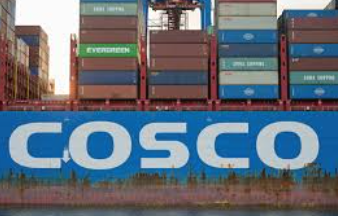
Chinese state-owned shipping giant COSCO Shipping, one of the world’s largest operators of oil tankers and container vessels, has announced the suspension of shipping services to and from several Gulf countries as security concerns continue to affect maritime traffic in the strategically vital Strait of Hormuz.
The Shanghai-based shipping group confirmed it will halt services beginning Wednesday, affecting cargo routes connected to the United Arab Emirates, Bahrain, Saudi Arabia, Iraq, and Kuwait.
According to the company, COSCO Shipping Lines will “suspend all new bookings” for shipping routes passing through the Strait of Hormuz with immediate effect until further notice. The decision comes amid escalating tensions in the Middle East that have resulted in increased restrictions and security risks for commercial shipping operating in the key global energy corridor.
The Strait of Hormuz is one of the most critical maritime chokepoints in the global shipping industry, carrying a significant share of the world’s crude oil exports and containerized cargo trade. Disruptions in this corridor can impact global energy markets, oil tanker routes, and international supply chains.
COSCO said the suspension applies to new worldwide bookings destined for Bahrain, Iraq, Kuwait, and certain ports in the United Arab Emirates and Saudi Arabia. The company also confirmed that outbound shipping services from Qatar, Bahrain, Iraq, Kuwait, and selected ports in the UAE and Saudi Arabia have been temporarily halted.
The Chinese shipping group joins other major global shipping lines that have already paused operations in the region. Industry leaders including Maersk and Mediterranean Shipping Company have previously announced similar measures as maritime security concerns escalate around the Gulf.
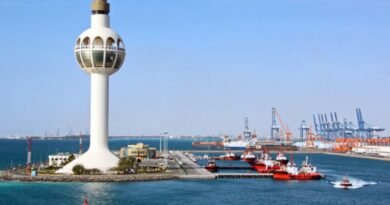
Despite the suspensions, several ports remain accessible without transiting the Strait of Hormuz. COSCO indicated that cargo routes to Jeddah, Khor Fakkan, and Fujairah will not be affected by the current restrictions because vessels can reach these locations without passing through the contested waterway.
Related:COSCO Shipping Orders 12 LNG Dual-Fuel 18,000 TEU Container Ships from Jiangnan Shipyard
Maritime analysts say the suspension of Gulf shipping services by multiple global carriers could further disrupt international trade routes, oil tanker operations, and maritime logistics flows, forcing shipping companies to consider alternative sea lanes and port hubs across the region.