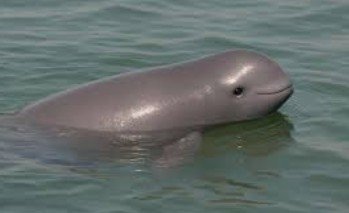
China’s Yangtze River Fishing Ban Sparks Comeback of Endangered Finless Porpoises
China’s decade-long fishing ban along the Yangtze River is showing measurable ecological results, with the population of the endangered Yangtze finless porpoise beginning to recover after years of decline caused by overfishing, heavy shipping traffic, and rapid industrial development along Asia’s longest river. Conservation groups and environmental authorities say the rebound is one of the most significant biodiversity recovery stories linked to China’s large-scale river restoration policies.
In the city of Nanjing in eastern China’s Jiangsu Province, conservation teams and volunteers are regularly monitoring the critically endangered species. Local conservationist Jiang Meng and his team conduct daily surveys on the river to track the animals’ movements and better understand their habitat distribution. Jiang, who previously worked as a journalist, has dedicated his career to protecting the species since 2012 and now serves as Secretary General of the Nanjing Finless Porpoise and Aquatic Life Conservation Association.
Often called the “Smiling Angel” because of the distinctive shape of its mouth, the finless porpoise is unique to the Yangtze ecosystem and is considered a national conservation priority similar to China’s giant panda. However, the species faced severe population loss over the past decades. Scientific surveys showed its numbers fell by more than 60 percent—from around 2,700 animals in 1991 to just 1,012 in 2018—due to pollution, intense fishing pressure, and shipping activity along the river.
The crisis highlighted the vulnerability of Yangtze wildlife after the extinction of a related species, the Baiji dolphin (Lipotes vexillifer), which was declared functionally extinct in 2007. Environmental experts viewed the loss of the Baiji as a warning that other aquatic species could face a similar fate without strong conservation policies.
China began strengthening river protection policies in the mid-2010s, including large-scale restoration programs and a landmark ten-year fishing ban designed to allow fish stocks and aquatic ecosystems to recover. Former industrial riverbanks once used for shipbuilding and factories have been restored into wetlands that provide more suitable habitat for wildlife.
The conservation program also relies heavily on community participation. Jiang’s association now includes more than ten full-time staff members and over 10,000 registered volunteers. Many of the volunteers are former fishermen affected by the fishing ban, while others include international participants who assist with monitoring porpoise activity, collecting riverbank waste, supporting fish habitat restoration, and raising environmental awareness.
Read: Ocean Warming Linked to Nearly 20% Annual Fish Biomass Decline, Global Study Finds
Monitoring results suggest the conservation measures are producing early success. Researchers estimate that the number of finless porpoises in the Nanjing section of the Yangtze has risen to about 65 individuals. Although the figure remains small, scientists say it represents a significant improvement compared with previous years. Field observers have also reported seeing newborn porpoises swimming alongside their mothers, an encouraging sign of population recovery.
Environmental indicators across the Yangtze River basin have improved alongside the species’ recovery. According to official environmental data, the proportion of water classified as Grade I–III quality—considered suitable for aquatic life—rose from 67 percent in 2015 to 96.5 percent in recent years. Meanwhile, fish biodiversity has expanded, with the number of recorded fish species in the river reaching 351 since the fishing ban was implemented.
Despite the progress, conservationists caution that the recovery remains fragile. Female finless porpoises have a pregnancy period of about one year and give birth to only a single calf at a time, meaning population growth is naturally slow. Continuous monitoring and habitat protection will therefore be necessary to secure long-term recovery.
The conservation of the Yangtze ecosystem has become a central part of China’s broader environmental strategy. Officials say ecological protection and green development will remain priorities as the country pursues sustainable economic growth while protecting biodiversity and natural resources.
Experts note that the survival of the finless porpoise serves as an important indicator of the Yangtze River’s ecological health. As restoration projects expand and environmental regulations strengthen, scientists hope the “Smiling Angels” of the Yangtze will continue their gradual comeback in one of the world’s most important freshwater ecosystems.