
Global Fishing Updates: China-Backed Research in Pakistan & Morocco Imposes Sardine Export Ban
Pakistan-China Partnership on Long-Term Fisheries Research
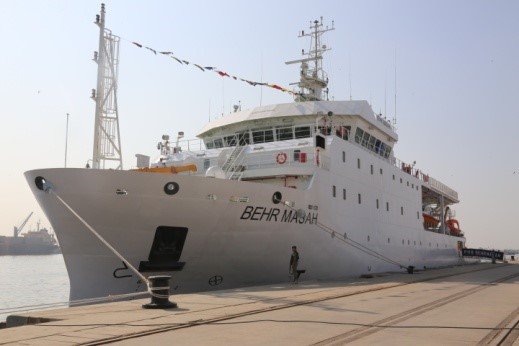
Pakistan has recently partnered with China on a major long-term fisheries research program. Following Russia’s earlier involvement in African fisheries, China confirmed last week its support for the Pakistani research vessel Behr Masah, built in China in 2019, to study the country’s marine environment year-round.
The collaboration, formalized through a letter of understanding signed in China last month, will see Chinese scientists and specialized equipment deployed on the vessel to monitor marine resources across all four seasons.
This agreement follows recent announcements that China will also construct and operate a $12 million fishmeal plant in Gwadar Port. The plant’s output is intended to meet China’s growing demand for fishmeal to support its massive aquaculture industry.
Local fishermen have expressed concerns over the potential impact on artisanal fisheries, as industrial vessels are expected to supply the fishmeal plant directly, bypassing local markets for small pelagic fish, a vital protein source for communities in the region.
Morocco Imposes Sardine Export Ban amid Sharp Catch Decline
Morocco, the world’s largest sardine exporter and a key supplier to European markets, announced a ban on sardine exports effective 1 February 2026. The decision follows a dramatic collapse in sardine catches and rapidly rising prices.
Fisheries Minister Zakia Driouich emphasized that the ban aims to stabilize domestic prices for a crucial source of protein. Scientists reported that sardine landings dropped 46% in 2024, to just over half a million tonnes, due to environmental changes, warming seas, overfishing, and pollution.
The sardine shortage already impacted European markets in 2025, causing price spikes and empty supermarket shelves, particularly in France. Jaques Gonidec, owner of Gonidec Cannery, a major supplier to French retailers, highlighted the difficulty of finding alternative sardine sources after Morocco’s long-standing dominance in the market for over 20 years.