Green Shipping Milestone Achieved with First Hydrogen Bunkering Test at Italian Port
A major step forward in green shipping and clean marine fuel technology has been recorded at the Port of La Spezia, where a successful hydrogen refuelling test for a vessel has been completed for the first time. The operation highlights growing momentum in zero-emission maritime solutions and sustainable port operations.
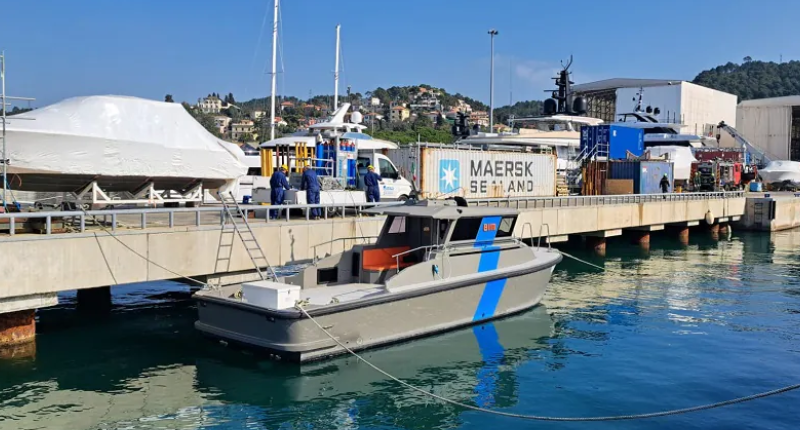
The test was carried out by Bluenergy Revolution at the facilities of Baglietto Shipyard, following official approval from the Port System Authority of the Eastern Ligurian Sea. The refuelling process involved transferring hydrogen from a mobile dockside unit directly to a vessel, marking a breakthrough in hydrogen bunkering infrastructure.
According to officials, the entire operation strictly followed approved safety protocols. The process included multiple stages such as site preparation, safety briefings, hydrogen transfer setup, fuel transfer execution, and final clearance, demonstrating a fully controlled and compliant marine fuel handling procedure.
What makes this development particularly significant for the maritime energy transition is the successful use of low-pressure hydrogen (30 bar), enabled by advanced metal hydride storage technology. This system, already proven in naval applications including submarines operated by the Italian Navy, allows hydrogen to be stored and transferred safely without complex temperature or flow controls.
The same technology is being integrated into innovative projects like Baglietto’s experimental BZero system and is expected to be deployed in future hydrogen-powered yachts and eco-friendly vessels.
Experts say this successful trial confirms that hydrogen fuel bunkering in ports can be carried out safely and efficiently, paving the way for wider adoption across global shipping hubs. As the industry looks to reduce carbon emissions, such advancements are crucial for scaling up alternative marine fuels, decarbonization strategies, and next-generation vessel technologies.