Hapag-Lloyd Acquires ZIM, Creating World’s Fourth-Largest Container Shipping Company
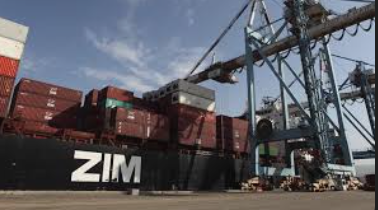
Global container shipping giant Hapag-Lloyd has agreed to acquire ZIM, Israel’s de facto national shipping line, in a landmark deal valued at over $4 billion. The heads of agreement have been reached, and ZIM’s board approved the transaction, which will see the company delisted from the New York Stock Exchange after Hapag-Lloyd purchases all issued shares.
The merger will create the new number-four container freight company globally, surpassing the boxship division of COSCO. Hapag-Lloyd will take over ZIM’s international business, while Israeli private equity firm FIMI will retain a subset of ZIM operations in Israel under the new entity “Zim Israel,” preserving strategic sealift capacity, owned hulls, key operational centers, and personnel within the country.
ZIM, publicly listed since 2021 and headquartered in Haifa, is considered a strategic asset by the Israeli government, which maintains a golden share to ensure operational control from Israel and a minimum number of ships on the national register. The company operates 70 regular liner services and had a record turnover of $8.43 billion in 2024, though 2025 revenues are expected to decline due to lower freight rates and disruptions caused by Houthi attacks targeting Israeli shipping in the Red Sea.
Hapag-Lloyd, the fifth-largest global shipping company, generated $22 billion in turnover in 2024, operating 305 ships and 130 regular liner services. The German carrier’s acquisition of ZIM includes its chartered fleet and international routes, while FIMI’s “Zim Israel” will maintain Israel-focused shipping operations.
The agreement has been negotiated in a highly secure Deal Room, surprising unions and employees, and while it is presented as sealed, the complexity of the transaction and ZIM’s role in Israeli national security may pose challenges to final completion. Observers note the deal also aims to protect Israeli strategic interests and mitigate risks from Houthi attacks and regional boycotts.
ZIM’s historical significance predates the modern state of Israel, having provided critical sealift capacity during the nation’s formation. The company upgraded its fleet since 2021 through a mix of owned and chartered vessels. Hapag-Lloyd’s major shareholders, including Qatar Holdings (12.3%) and Saudi Arabia’s Public Investment Fund (10.3%), have previously invested in shipping acquisitions, such as UASC in 2017, which may add geopolitical complexity to the deal.
The buyout follows the rejection of an earlier offer by long-time ZIM CEO Eli Glickman, backed by Israeli shipowner Rami Ungar of Ray Shipping, with the board citing undervaluation. Once completed, the Hapag-Lloyd and ZIM merger is set to reshape the global container shipping landscape and strengthen strategic shipping capacity for Israel while expanding Hapag-Lloyd’s global footprint.
Related: COSCO Shipping Orders 12 LNG Dual-Fuel 18,000 TEU Container Ships from Jiangnan Shipyard