Hungary Turns to Croatia Amid Russian Oil Flow Disruption via Ukraine
Hungary and Slovakia have requested Croatia’s assistance to secure Russian oil supplies after flows via Ukraine were halted, prompting Hungary’s MOL company to release strategic crude reserves. The disruption, which started on January 27, has been attributed to a Russian attack on a Ukrainian pipeline, with Kyiv and Budapest exchanging accusations over responsibility. Ukrainian Foreign Minister Andrii Sybiha shared images on X showing Druzhba pipeline infrastructure on fire, while Hungary countered that Ukraine had cut power to the section of the pipeline. Slovak Prime Minister Robert Fico accused Ukraine of delaying the pipeline’s restart to pressure Hungary regarding its stance on Ukraine’s EU membership.
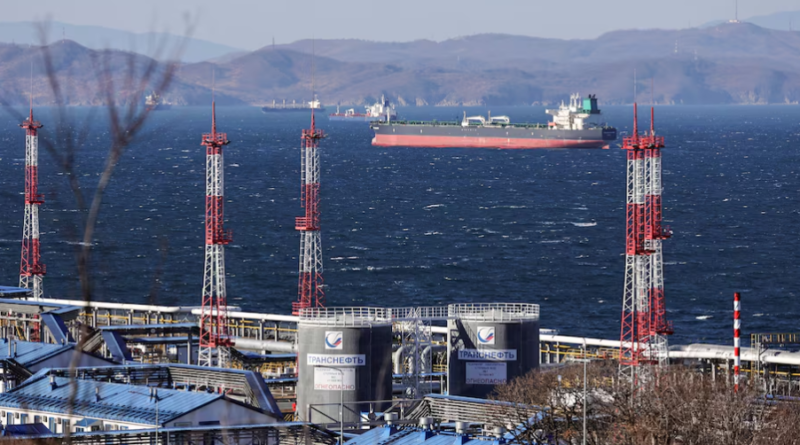
Hungarian Foreign Minister Peter Szijarto announced that Hungary and Slovakia asked Croatia to allow Russian oil flows via the Adria pipeline. “The security of a country’s energy supply must never be an ideological issue. We expect Croatia, unlike Ukraine, not to endanger the oil supply security of Hungary and Slovakia for political reasons,” Szijarto said. Croatian Economy Minister Ante Susnjar confirmed Croatia’s readiness to help, stating the country would comply with EU law and U.S. Office of Foreign Assets Control regulations. The Adria pipeline runs from the Croatian port of Omisalj to refineries in Croatia and across southern and central Europe.
MOL has initiated the release of strategic crude oil reserves to ensure regional energy security. “If shipments from the east do not resume in the coming days, Hungary may need to release approximately 250,000 tons of strategic crude oil reserves in the first round,” MOL said, adding that it has begun supplying its refineries with seaborne crude oil. The first shipments are expected at Omisalj in early March, with delivery to refineries taking an additional 5–12 days. Both Hungary and Slovakia hold EU sanctions exemptions on Russian piped oil, relying on these flows to meet energy needs amid ongoing efforts to curb Russia’s revenue from the Ukraine conflict.
The European Commission confirmed ongoing contact with Hungary, Slovakia, and Croatia regarding the halted Druzhba flows. Hungarian Prime Minister Viktor Orban, known for maintaining close ties with Moscow, also met U.S. Secretary of State Marco Rubio in Budapest to discuss energy issues. Russia’s Druzhba pipeline was already under strain due to prior Ukrainian drone attacks, with southern section flows reaching a 10-year low of 9.7 million metric tons last year. Slovakia received 4.9 million tons, and Hungary 4.35 million tons, according to Ukrainian consultancy ExPro.
The request for Croatian support, coupled with MOL’s strategic reserves release, underscores the ongoing energy security challenges in Central Europe and highlights the geopolitical complexity surrounding Russian oil flows amid EU sanctions and regional disputes over pipeline operations.
Related: