IEA Proposes Historic Strategic Petroleum Reserve Release as Global Oil Supply Faces Hormuz Disruption
The International Energy Agency is considering what could become the largest coordinated release of strategic oil reserves in history as global energy markets face severe disruption from the ongoing crisis in the Strait of Hormuz, one of the world’s most critical oil shipping routes. According to reports, member states of the global energy organization are expected to vote on a proposal that would release a massive volume of crude oil from emergency reserves in an effort to stabilize global oil prices and protect international energy supply chains.
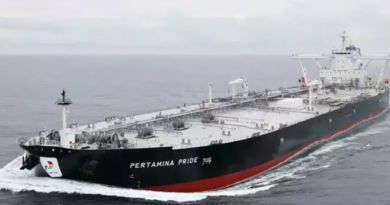
The planned drawdown is aimed at offsetting the loss of approximately 14 million barrels per day of global oil export capacity caused by the disruption of tanker traffic through the Strait of Hormuz. The strategic waterway handles a large share of the world’s seaborne oil trade, making any disruption to shipping routes a major concern for global energy markets and oil supply security. Some shipments have been partially rerouted through the Red Sea, including around six million barrels per day redirected by Saudi Arabia, but significant volumes remain offline due to the ongoing crisis affecting maritime oil transport.
If approved, the coordinated strategic petroleum release would exceed the 182-million-barrel emergency oil reserve release authorized in 2022, which was implemented to counter the global energy market shock triggered by the Russian invasion of Ukraine. The scale of the proposed release is expected to be revealed only after the final decision is made by the agency’s member states.
The International Energy Agency includes 32 member countries, and the approval of such a coordinated oil market intervention requires agreement among them. Some major oil-producing or energy-influential countries are not members of the organization, including Iran, Russia, and China, all of which play significant roles in global energy geopolitics and oil market dynamics.
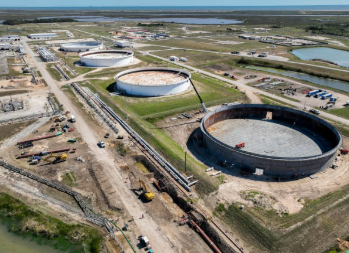
Energy analysts note that IEA member governments can also take independent action to stabilize domestic fuel markets through unilateral releases from national strategic petroleum reserves. During the global economic disruption caused by the COVID-19 pandemic and the subsequent energy price volatility, the United States Government authorized the release of up to 260 million barrels of crude oil from the Strategic Petroleum Reserve, one of the largest emergency energy interventions in modern history aimed at controlling oil prices and maintaining energy supply stability.
Read More:Strait of Hormuz Shipping Disruptions Trigger Energy Market Volatility and Global Trade Concerns
The current proposal highlights growing concern among policymakers and energy market analysts that continued disruption to maritime oil transport routes could trigger further volatility in global crude oil prices, tanker shipping rates, and fuel costs. With the Strait of Hormuz serving as a critical corridor for international oil trade, any prolonged closure or shipping disruption could have significant consequences for the global economy, energy security, and international maritime logistics.