India Allows Iranian Oil Tankers at Sikka Port amid Hormuz Supply Disruption – Reliance Seeks Strategic Crude Access
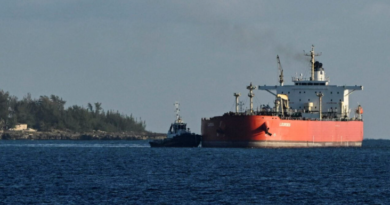
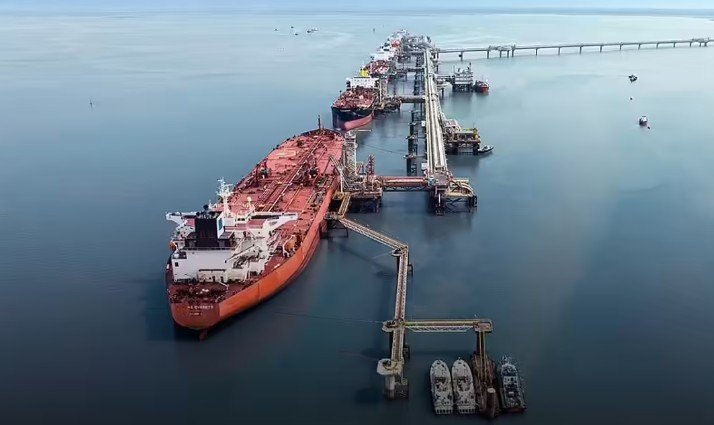
In a significant development impacting global energy shipping and crude oil logistics, India has granted special permission for four Iranian oil tankers to berth at Sikka Port, following a request from Reliance Industries, according to industry sources. The move comes as supply chains face mounting pressure due to disruptions linked to the Strait of Hormuz, a critical artery for global oil trade.
India, the world’s third-largest oil importer, has not received Iranian crude shipments since May 2019, when imports were halted under U.S. sanctions. However, the current geopolitical and maritime crisis has prompted authorities to issue a one-time exemption, allowing these sanctioned vessels to dock under exceptional circumstances. The waiver facilitating this decision is set to expire on April 19.
Special Clearance for Aging Tankers Raises Compliance Questions
The vessels granted clearance include the Comoros-flagged Aframax tanker Kaviz, the Curaçao-flagged VLCC Lenore, and two Iran-flagged VLCCs, Felicity and Hedy. All four ships are reportedly over 20 years old and fall under U.S. sanctions, making their entry into Indian ports highly unusual under standard maritime regulations.
Under Indian shipping laws, older tankers must possess seaworthiness certification from bodies affiliated with the International Association of Classification Societies or authorized entities. Additionally, Iranian crude is often transported via a so-called “shadow fleet,” typically lacking internationally recognized insurance and safety certifications, factors that normally restrict port access.
Strategic Energy Security vs Sanctions Compliance
The emergency exemption reflects India’s balancing act between ensuring energy security and maintaining compliance with international sanctions frameworks. While permission has been granted, sources indicate that Reliance Industries has yet to confirm whether it will proceed with refining Iranian crude, as the company remains cautious about adhering to sanctions and regulatory requirements.
Tracking data suggests that tanker Hedy has been stationed near Iran’s Chabahar port since April 1, while Felicity has been in the vicinity since April 3. Meanwhile, Lenore reportedly loaded crude from Kharg Island in March, and Kaviz recently exited the Gulf region.
In a related development, Indian Oil Corporation has reportedly procured Iranian crude transported via the sanctioned tanker Jaya, highlighting a potential shift in procurement strategies amid tightening supply conditions.
Read:India Presses Iran for Consular Access to 16 Indian Crew Members Detained at Sea
Maritime Trade Impact and Industry Watch
This development is expected to have ripple effects across tanker markets, marine insurance, and global oil freight rates, particularly as the shipping industry closely monitors the evolving situation in the Middle East. The temporary easing of restrictions could signal short-term adjustments in crude sourcing strategies by major Asian refiners.
As the deadline for the exemption approaches, stakeholders across maritime logistics, energy trading, and regulatory sectors will be watching closely to assess whether this marks a one-off exception or the beginning of a broader shift in India’s crude import policy.