Indonesia Pushes Diplomatic Talks with Iran to Ensure Safe Oil Tanker Passage via Strait of Hormuz amid Global Energy Security Concerns
Indonesia has intensified high-level diplomatic engagement with Iran to secure safe transit for two Pertamina oil tankers carrying crude oil from Saudi Arabia through the strategically critical Strait of Hormuz, as rising geopolitical tensions continue to impact global shipping and energy markets.
The Indonesian Ministry of Energy and Mineral Resources confirmed that the safe passage of these vessels is essential for maintaining national fuel supply stability and strengthening long-term energy security, a key concern amid volatile global oil prices and supply chain disruptions.
Spokesperson Dwi Anggia emphasized that close coordination is underway between the energy and foreign ministries to ensure uninterrupted maritime operations. He highlighted that both cargo security and crew safety remain top priorities as the vessels navigate one of the world’s most sensitive oil transit routes.

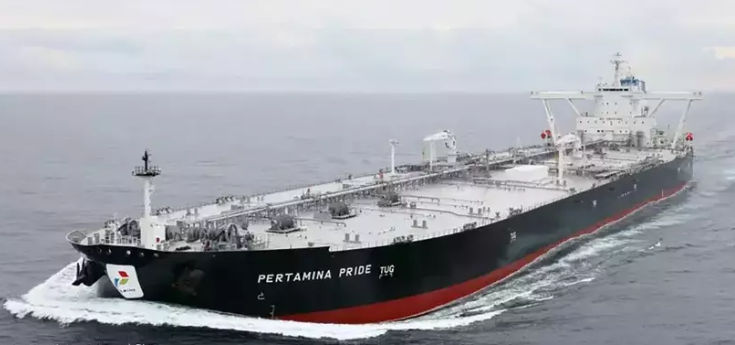
Indonesia’s state-owned energy giant Pertamina plays a central role in the operation. Its shipping arm, Pertamina International Shipping, is actively handling the technical and regulatory processes required for the safe movement of the tankers, Pertamina Pride and Gamsunoro.
According to official data, Indonesia imported approximately 135.33 million barrels of crude oil in 2025, with nearly 19% (25.36 million barrels) sourced from Saudi Arabia. The rest of the supply came from diversified markets including Africa, Latin America, the United States, and Southeast Asia, an approach aligned with global energy diversification strategies.
Meanwhile, the Indonesian Foreign Ministry confirmed ongoing coordination with Iranian authorities through its embassy in Tehran. Spokesperson Vahd Nabyl Mulachela noted that Iran has responded positively, with discussions progressing into technical and operational phases—an encouraging sign for maritime trade stability in the Gulf region.
Indonesia also maintains long-term fuel supply agreements with regional partners such as Singapore and Malaysia, reinforcing its fuel import resilience and regional energy cooperation.
As global attention remains fixed on the security of oil shipping lanes, particularly the Strait of Hormuz, which handles a significant share of the world’s oil trade, Indonesia’s proactive diplomacy underscores the importance of secure maritime logistics, oil tanker safety, and uninterrupted crude oil transportation in today’s high-risk geopolitical environment.