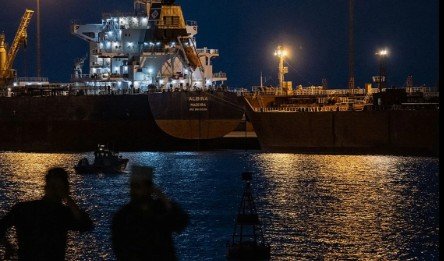
Iran Signals Conditional Strait of Hormuz Transit as Global Oil Shipping Faces Disruption
In a development with major implications for global oil markets, LNG shipping, and maritime security, Iran has informed the United Nations Security Council and the International Maritime Organization that “non-hostile vessels” may continue to transit the strategically vital Strait of Hormuz, provided they coordinate with Iranian authorities.
According to a diplomatic note sent by Iran’s Ministry of Foreign Affairs and circulated among IMO member states, vessels that do not participate in or support actions against Iran, and that comply with declared maritime safety and security protocols, will be allowed safe passage through one of the world’s most critical oil shipping lanes.


Oil Supply Chain at Risk amid Regional Conflict
The announcement comes amid escalating tensions linked to the ongoing conflict involving the United States and Israel, which has effectively disrupted shipments of nearly 20% of global oil and liquefied natural gas (LNG) passing through the Strait of Hormuz. The chokepoint is essential for global energy trade, crude oil exports, and tanker shipping routes, making any restriction a major concern for energy markets and freight rates.
Iran stated that it has taken “necessary and proportionate measures” to prevent adversaries from using the strait to support hostile operations. The note explicitly warned that vessels, cargo, or assets associated with the U.S. or Israel, or any entities involved in aggression,would not qualify for what Iran termed “innocent or non-hostile passage.”
Maritime Security, Shipping Insurance, and Freight Markets Impacted
The directive introduces heightened uncertainty for maritime logistics, tanker insurance premiums, and global shipping companies operating in the Gulf region. Analysts expect increased volatility in Brent crude prices, LNG spot rates, and marine insurance costs, as shipowners assess operational risks.
The letter was also addressed to UN Secretary-General António Guterres and circulated among 176 member states of the IMO, underscoring the international dimension of the crisis.
Strategic Implications for Global Trade
The Strait of Hormuz remains a critical maritime chokepoint for energy security, connecting Gulf oil producers to international markets. Any prolonged disruption could reshape global supply chains, shipping routes, and geopolitical alliances, particularly in Asia and Europe, which rely heavily on Middle Eastern energy imports.
The situation continues to evolve, with maritime authorities, energy traders, and global policymakers closely monitoring developments that could further impact oil supply, LNG exports, and international shipping stability.