Japan Arrests Chinese Fishing Boat Captain after Vessel Enters EEZ near Nagasaki
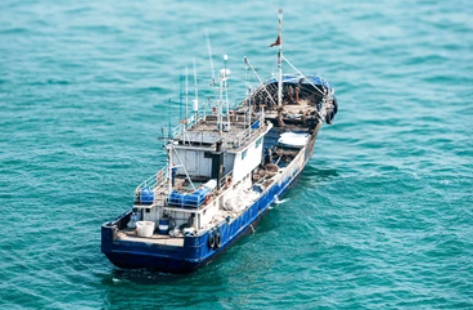
Japan has seized a Chinese fishing vessel and arrested its captain after the ship entered the country’s Exclusive Economic Zone (EEZ) off the coast of Nagasaki Prefecture and allegedly attempted to avoid inspection, adding fresh strain to already tense relations between Japan and China.
According to Japan’s Fisheries Agency, the captain was arrested at approximately 12:23 p.m. on Thursday after the vessel entered Japan’s EEZ and tried to flee to avoid questioning. Authorities confirmed that while the vessel had entered the EEZ, the arrest occurred after it had left the zone. The agency stated that this marks the first seizure of a Chinese fishing vessel since 2022.
Japan’s top government spokesman, Minoru Kihara, said details of the incident remain under investigation and emphasized that Japan would continue enforcement efforts to deter illegal fishing by foreign vessels. In response, Chinese Foreign Ministry spokesman Lin Jian urged Japan to safeguard the safety and rights of the crew, reiterating that the Chinese government requires its fishermen to operate in accordance with applicable laws and regulations while protecting their legitimate rights and interests.
The incident comes amid heightened diplomatic tensions between Tokyo and Beijing following remarks made in November by Japanese Prime Minister Sanae Takaichi regarding Taiwan. Takaichi stated in parliament that a potential Chinese invasion of Taiwan by force could pose an existential threat to Japan, comments that prompted strong objections from Beijing. China subsequently imposed export controls and advised its citizens against travel to Japan.
An Exclusive Economic Zone typically extends 200 nautical miles from a nation’s coastline, granting that country sovereign rights to explore and exploit marine resources. Data from Japan’s Fisheries Agency indicates that ship seizures and arrests of foreign fishing vessels are relatively rare. Over the five-year period through 2025, officials boarded foreign ships 30 times, including two Chinese vessels last year. Only five ships were seized during that time, with one Chinese vessel detained in 2022. The peak year for detentions of Chinese fishing boats was 2017, when four vessels were detained. Arrests of crew members are generally reserved for serious violations.
Relations between China and Japan have further deteriorated in recent months. Chinese state media have issued commentaries criticizing Japan’s security posture, while China’s ambassador to Japan, Wu Jianghao, described bilateral ties as being in their most difficult state since diplomatic normalization in 1972.
Maritime tensions between the two nations have previously escalated over fishing incidents, notably in 2010 when a Chinese trawler captain was detained for 17 days after colliding with Japanese Coast Guard vessels near disputed islands in the East China Sea. The islands, known as the Senkakus in Japan and Diaoyu in China, remain a focal point of territorial disputes. According to Japan’s coast guard, Chinese government ships were present in waters around the islands on 356 days last year, reflecting sustained maritime patrol activity in the contested area.
The latest arrest underscores ongoing enforcement efforts within Japan’s EEZ and highlights the broader geopolitical and maritime security challenges shaping East Asia’s regional stability.
Read More: Chinese Fishing Vessel Reportedly Seized by Pirates off Somalia’s Puntland Coast