Li Chenggang: The Skilled Negotiator Shaping U.S.-China Trade Talks
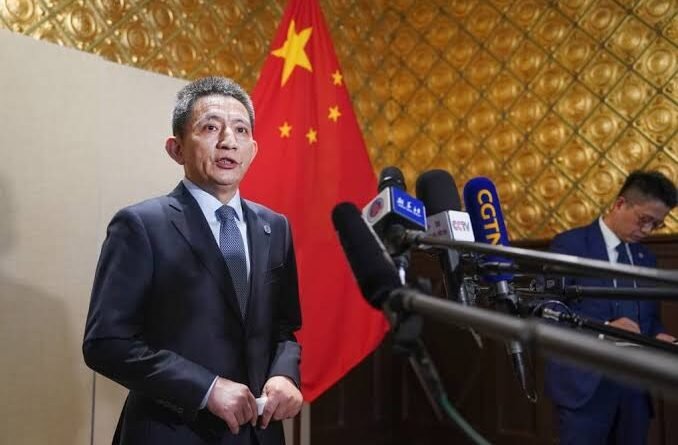
Beijing/Geneva/Washington– Li Chenggang, China’s lead trade negotiator with the U.S., has been at the center of global attention after U.S. Treasury Secretary Scott Bessent described him as “unhinged” for breaking diplomatic norms ahead of a major summit last October. While the remark painted Li as a rebellious junior official, insiders say he is far from loose cannon.
Neither a “wolf warrior” diplomat nor a quiet observer, Li is a seasoned career official known for his deep knowledge of trade law, fluent English, and unique personal flair, sources say he alternates between charm and delivering firm messages from Beijing. A chain smoker with a passion for Chinese porcelain, Li has become a key figure in stabilizing U.S.-China trade relations in 2025 and will remain at the forefront of negotiations this year.
U.S. President Donald Trump has indicated plans to visit China in April and host President Xi Jinping later this year, making Li’s role even more critical. Diplomats, business leaders, and current and former U.S. officials describe him as pragmatic, intelligent, and tough, traits that help China achieve its strategic trade goals.
Colleagues say Li commands attention in meetings, with an executive presence that contrasts the stereotypical image of stoic, scripted Chinese officials. Well-prepared and highly knowledgeable about China’s economy and U.S. trade priorities, he has been described as a “rising star” in international trade circles.
From April to October 2025, Li navigated complex negotiations across European capitals, from Geneva to Stockholm to London, addressing key issues such as rare earth export restrictions, agricultural purchases, and semiconductor access. These discussions underpin $660 billion in annual bilateral trade. The talks ultimately produced a temporary truce: China postponed sweeping rare earth export controls for a year and agreed to purchase 12 million tons of U.S. soybeans by March.
“Li’s immediate goal is to maintain the trade truce and ensure a positive environment for Trump’s visit to China,” said Neil Thomas of the Asia Society, a New York-based think tank. “China’s main challenge is convincing the U.S. to ease export restrictions without causing backlash in Washington.”
Public Controversy and Diplomatic Skills
Ahead of the October talks, Li faced public criticism from Bessent for attempting to meet U.S. officials above his protocol level and forcefully presenting China’s position. Li reportedly sought meetings with U.S. Trade Representative Jamieson Greer but ended up speaking with lower-level officials, delivering Beijing’s directives in candid terms.
Despite the tense exchange, Li and Bessent later met at the ASEAN summit in Kuala Lumpur, where they successfully outlined a framework that deferred 100% tariffs on Chinese goods and addressed rare earth export controls.
Li is China’s No. 2 commerce official, second only to the commerce minister, while Vice Premier He Lifeng oversees U.S.-China economic relations at the highest level.
A Diplomat with a Personal Touch
Born in Anhui province, Li studied law at Peking University and Germany’s University of Hamburg. He has held key roles at China’s Ministry of Commerce and served as China’s representative at the World Trade Organization (WTO) from 2021 to 2025. At the WTO, Li was known as a prolific networker, hosting dinners and sharing Chinese cigarettes with fellow ambassadors.
Outside the office, he enjoys hunting for Chinese porcelain at Swiss flea markets and can identify pieces from different dynasties. Colleagues describe him as thoughtful, respected, and solution-oriented. He even organized an elaborate farewell dinner for a WTO colleague, complete with hand-painted plates and references to Tang dynasty poetry.
Li combines diplomacy with a firm legal approach. While polite and strategic in meetings, he is persistent when protecting China’s trade interests, using WTO rules and legal instruments to advance national goals. Observers note that China’s trade team, under Li’s guidance, is cohesive and empowered, often entering negotiations with clear directives, unlike their U.S. counterparts who may require final presidential approval.
“Li skillfully deploys legal tools in trade discussions and will likely remain a central figure in U.S.-China trade talks for years to come,” said Henry Gao, associate law professor at Singapore Management University.