Oil and LNG Shipping Rates Surge to Record Highs as Iran Threatens Strait of Hormuz Closure
Global oil and gas shipping markets have entered extreme volatility after Iran vowed to close the Strait of Hormuz, sending supertanker freight rates in the Middle East to record highs and sharply raising LNG shipping costs.
The escalation follows intensifying conflict between Iran, the United States and Israel, with Tehran targeting vessels transiting the strategic waterway. Shipping data and industry sources confirmed Tuesday that traffic through the Strait, a corridor that carries roughly one-fifth of global oil consumption along with substantial volumes of liquefied natural gas ,has slowed dramatically after ships in the area were struck.
Hormuz Traffic near Standstill amid Security Threats
The Strait of Hormuz, located between Iran and Oman, is one of the world’s most critical maritime chokepoints. Disruptions have intensified after vessels were hit during Iran’s retaliation against U.S. and Israeli strikes.
An Iranian Revolutionary Guards senior official told local media Monday that the Strait is closed and warned that Iran would fire on any ship attempting passage. However, the United States Central Command stated that the Strait remains open despite Iran’s declarations, according to Fox News.
The uncertainty has led to precautionary shutdowns at oil and gas facilities across the Middle East, further tightening supply.
Brent Crude and Gas Prices Jump
Fears of prolonged disruption have pushed energy prices sharply higher. Brent crude futures have climbed nearly 10% this week amid multiple oil and gas shutdowns across the region. European natural gas prices have also risen as traders price in potential LNG supply constraints.
Market analysts say even temporary instability in the Strait can trigger global ripple effects given the volume of crude and LNG that passes through daily.
Supertanker Rates Hit All-Time High
Freight markets reacted immediately. The benchmark TD3 route , covering very large crude carriers (VLCCs) transporting 2 million barrels of oil from the Middle East to China ,surged to an all-time high of Worldscale W419 on Monday, equivalent to $423,736 per day, according to LSEG data.
The rate doubled from Friday levels, extending gains from a six-year high last week after U.S. and Israeli strikes on Iran that reportedly killed Supreme Leader Ayatollah Khamenei.
Industry participants say the unprecedented spike reflects both immediate security risks and limited vessel availability.
LNG Shipping Costs Jump More than 40%
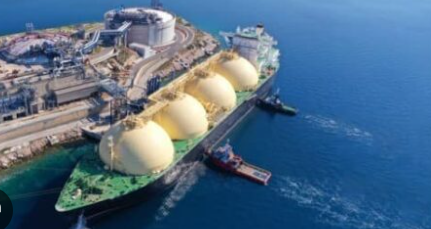
The impact has also spread to liquefied natural gas markets. After Qatar halted production, daily LNG freight rates surged more than 40% on Monday.
According to Spark Commodities:
- Atlantic LNG shipping rates rose 43% to $61,500 per day.
- Pacific LNG rates increased 45% to $41,000 per day.
Fraser Carson, principal analyst for global LNG at Wood Mackenzie, said spot LNG shipping rates could exceed $100,000 per day this week due to tight vessel supply.
“Vessel availability for the rest of March is considered weak as cargo operators try to work through the backlog created by weather disruptions during February,” Carson said, adding that competition for available ships is expected to intensify.
Shipowners Suspend Gulf Operations
An oil shipbroker who declined to be named said it is currently difficult to accurately assess Gulf shipping rates, as several shipowners have suspended operations indefinitely.
Until safe passage through the Strait of Hormuz can be assured, many vessels are expected to remain idle.
South Korean shipping firm Hyundai Glovis confirmed it is preparing contingency plans, including securing alternative routes and ports.
Meanwhile, South Korea’s maritime ministry has issued a notice urging domestic shipowners operating in the Middle East to refrain from business activities in the region. Officials are holding meetings to discuss additional safety measures following Iran’s threat to target ships attempting to transit the Strait.
Global Trade Faces Renewed Shock
The combination of tanker strikes, LNG production halts, precautionary energy facility shutdowns, and freight rate spikes underscores the growing fragility of global energy supply chains.
With the Strait of Hormuz handling around 20% of global oil trade, any sustained closure or disruption would have significant implications for shipping markets, freight costs, insurance premiums and global energy prices.
As geopolitical tensions escalate, maritime operators, charterers and governments are bracing for further volatility in one of the world’s most strategically vital shipping corridors.