Maritime Trade & Economy

U.S.–Sri Lanka Defence Talks Boost Maritime Coordination and Humanitarian Support

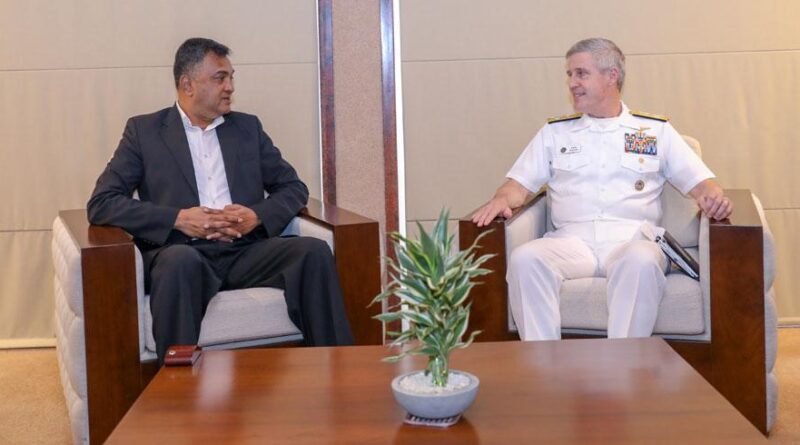
Maritime cooperation emerged as a key focus during high-level talks between the United States and Sri Lanka, as the Commander of the United States Pacific Fleet, Admiral Stephen T. Koehler, met with Sri Lanka’s Defence Secretary, Air Vice Marshal Sampath Thuyacontha (Retd), at the Ministry of Defence on 19 February. The discussions highlighted the changing security dynamics in the Indian Ocean Region, with both nations recognizing the importance of strengthening collaboration to address emerging maritime challenges. Both parties stressed the need to enhance maritime domain awareness, improve information sharing, and coordinate effectively to respond to natural disasters and humanitarian crises.

Read More
Maritime Trade & Economy

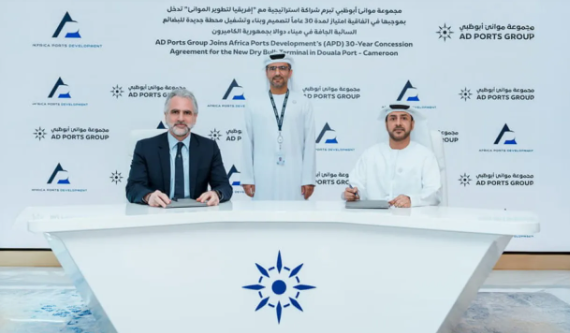
Mawani and Qatar Ports Sign MoU to Strengthen Regional Maritime Trade and Port Cooperation

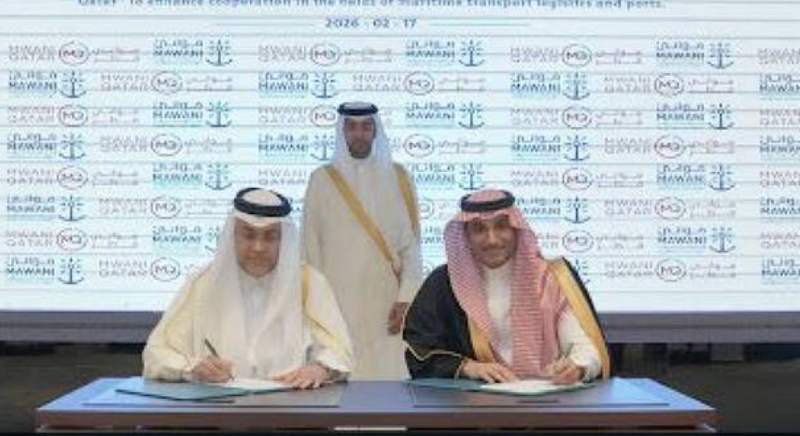
The Saudi Ports Authority (Mawani) and Qatar Ports Management Co. have signed a new memorandum of understanding (MoU) aimed at enhancing maritime and logistics cooperation to drive regional and international trade growth.
The agreement was signed by Mawani President Suliman Al-Mazroua and Qatar Ports Management Co. CEO Abdullah Mohammed Al-Khanji, in the presence of Qatari Ambassador to Saudi Arabia Bandar bin Mohammed Al-Attiyah. The move underscores both sides’ shared commitment to advancing the ports and logistics sector, improving operational efficiency, and supporting stronger trade flows across the Gulf region.

Read More
Blog

Enhancing Global Maritime & Logistics Safety through VDI 2700ff Load Securing Standards

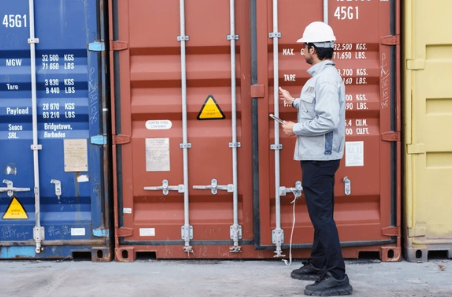
In a world where trade routes are growing worldwide and supply chains are becoming more and more intricate, cargo security between the port and the ultimate destination is a key concern. Cargo security is not the only threat posed of missecured loads; drivers, logistics employees, and other road users are also at risk, and according to research, improperly secured cargo is a cause of a considerable portion of transportation accidents. Good load-securing standards have thus formed part of modern-day logistics, particularly for experts dealing in maritime routes, intermodal transport networks, and the global supply chain.

Read More
Maritime Safety , Security and Technology

VPS Launches Maress 2.0 to Drive Offshore Shipping Decarbonization and Efficiency

Maritime decarbonization legislation continues to intensify, placing growing demands on shipowners and operators to deliver transparent, traceable data demonstrating reduced carbon footprints and regulatory compliance. In response, Veritas Petroleum Services (VPS) has upgraded its Maress software to version 2.0, enhancing fuel efficiency, emissions monitoring, and operational insights for offshore vessels.

Read More
Maritime Trade & Economy

Hungary Turns to Croatia Amid Russian Oil Flow Disruption via Ukraine

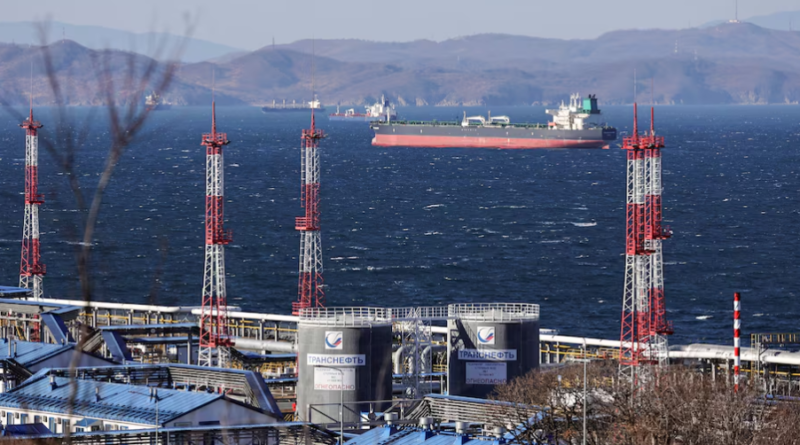
Hungary and Slovakia have requested Croatia’s assistance to secure Russian oil supplies after flows via Ukraine were halted, prompting Hungary’s MOL company to release strategic crude reserves. The disruption, which started on January 27, has been attributed to a Russian attack on a Ukrainian pipeline, with Kyiv and Budapest exchanging accusations over responsibility. Ukrainian Foreign Minister Andrii Sybiha shared images on X showing Druzhba pipeline infrastructure on fire, while Hungary countered that Ukraine had cut power to the section of the pipeline. Slovak Prime Minister Robert Fico accused Ukraine of delaying the pipeline’s restart to pressure Hungary regarding its stance on Ukraine’s EU membership.

Read More
Maritime Trade & Economy

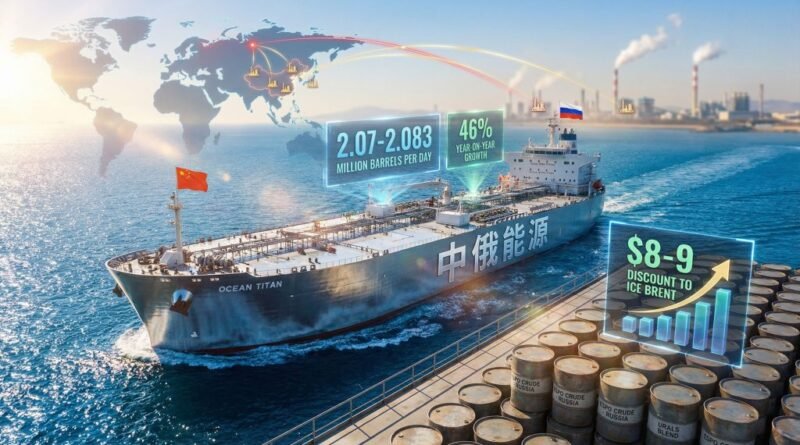
China’s Russian Crude Oil Imports Surge to Record Levels in February amid India’s Cutbacks

China’s imports of Russian crude oil are set to reach a new record high in February 2026, marking rising Chinese demand even as India scales back its purchases of Russian oil, according to traders and ship-tracking data. China’s Russian oil imports are estimated at around 2.07 to 2.083 million barrels per day in February, up sharply from January’s estimated 1.7 million bpd, driven largely by independent Chinese refiners snapping up heavily discounted cargoes amid shifting global trade patterns.

Read More
Maritime Trade & Economy

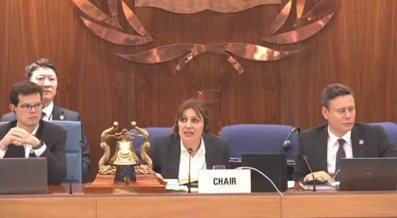
International Seminar Highlights Biofuels’ Role in Maritime Decarbonization

An international seminar organized by the IMO Future Fuels and Technology Project explored the latest developments in biofuels for the maritime sector, addressing both opportunities and challenges in using plant-based, waste oil, or agricultural residue fuels to reduce greenhouse gas (GHG) emissions from shipping. The seminar, held at IMO headquarters in London on 12 February, aimed to provide information and insights to policymakers and industry stakeholders on alternative fuels and emerging technologies, without engaging in formal policy negotiations.

Read More
Ports and Shipping

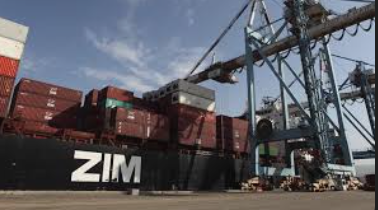
Hapag-Lloyd Acquires ZIM, Creating World’s Fourth-Largest Container Shipping Company

Global container shipping giant Hapag-Lloyd has agreed to acquire ZIM, Israel’s de facto national shipping line, in a landmark deal valued at over $4 billion. The heads of agreement have been reached, and ZIM’s board approved the transaction, which will see the company delisted from the New York Stock Exchange after Hapag-Lloyd purchases all issued shares.

Read More
Ports and Shipping

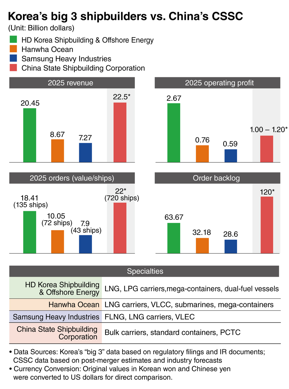
China Controls Shipbuilding Volume, but Korea Retains Edge in LNG Ships and Advanced Maritime Technology

China now dominates global shipbuilding orders, but South Korea is fighting back in high-end vessels such as LNG carriers, as rising geopolitical tensions reshape the maritime industry and global supply chains.
In 2025, Chinese shipyards secured 63 percent of global new vessel orders, far ahead of South Korea’s 21 percent and Japan’s 5 percent, according to London-based Clarkson Research Services. Chinese state data placed the figure even higher at 69 percent, underscoring Beijing’s tightening grip on global shipbuilding.

Read More
Maritime Trade & Economy

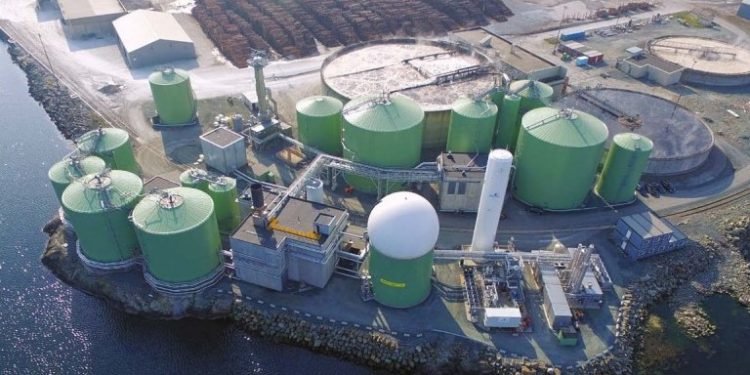
Bio-LNG and Biomethane: Driving Maritime Decarbonisation under EU Regulations

The International Maritime Organisation’s (IMO) Net Zero Framework (NZF) adjournment has increased the relative importance of European Union regulations, including FuelEU Maritime and the EU Emissions Trading Scheme (ETS). Shipowners with liquefied natural gas (LNG) engines are financially incentivized under these rules to transition to Bio-LNG, also known as biomethane, to meet decarbonisation targets. FuelEU Maritime strongly favors Bio-LNG because of its low to negative life cycle greenhouse gas (GHG) emissions and compatibility with existing LNG engines, offering a seamless pathway for operators to reduce emissions without extensive retrofitting.

Read More
Maritime Safety , Security and Technology

Cyberattacks Surge in Maritime Sector, Persistent Vessel Tracking Becomes Critical

Cyberattacks are escalating across industries, and the shipping and maritime sectors are no exception. According to research by law firm HFW, reported by the BBC, the cost of addressing cyberattacks in the shipping sector doubled from 2022 to 2023, averaging $550,000 per incident. As attacks grow more sophisticated, maritime operators and ports face increasing financial and operational risks.

Read More
Ports and Shipping

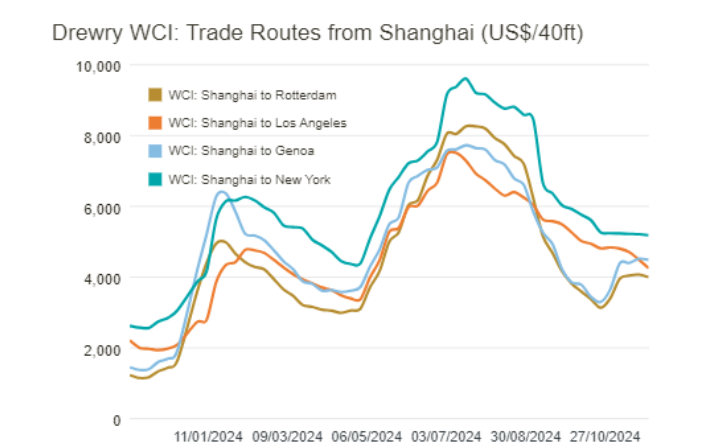
Asia-US Container Rates Ease amid Low Volume and Rising Blank Sailings, Panama Ports Dispute Escalates

Container shipping rates from East Asia and China to the US edged lower this week as cargo volumes remain soft, despite carriers increasing the number of blank sailings. Supply chain advisory firm Drewry reported that spot rates from Shanghai to major US ports declined slightly due to subdued demand. Ahead of factory closures for the Lunar New Year, carriers announced 57 blank sailings over the next two weeks on transpacific East and West Coast trade lanes, significantly higher than in previous years. Analysts expect spot rates to continue a modest decline in the coming weeks.

Read More