Pakistan Plans Food Exports to Gulf States via Maritime Routes as Regional Supply Chains Face Disruption
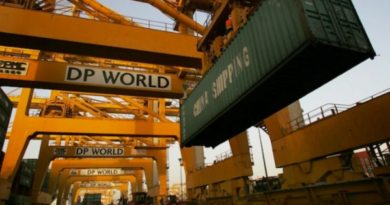
Pakistan is preparing to expand food exports to Gulf markets as regional supply chains face disruption due to ongoing geopolitical tensions affecting trade flows in the Middle East. During a high-level review meeting on Sunday, Shehbaz Sharif directed the Pakistan National Shipping Corporation to take necessary measures to transport food commodities to Gulf countries through maritime routes, according to a statement from the Prime Minister’s Office.
The meeting focused on Pakistan’s domestic food supply situation and the country’s export potential amid changing regional dynamics caused by the ongoing conflict involving the Iran. Officials discussed how disruptions in regional trade and logistics networks have created new opportunities for Pakistan to supply agricultural and food products to energy-rich Gulf markets.
Senior government officials attended the session, including Deputy Prime Minister and Foreign Minister Ishaq Dar along with federal ministers Jam Kamal Khan, Rana Tanveer Hussain and Ahad Khan Cheema, as well as Special Assistant Haroon Akhtar Khan. Provincial chief secretaries, senior officials, and representatives from private-sector trade bodies also participated in the discussion on strengthening Pakistan’s food export supply chain.
During the meeting, the prime minister directed authorities to closely monitor supply and demand conditions to ensure that Pakistan’s domestic food requirements remain fully protected. Government officials informed the meeting that the country currently has abundant reserves of essential food commodities and that there is no shortage in the domestic market.
Sharif emphasized that disruptions in global supply chains have increased Pakistan’s export capacity in the region and created an opportunity to strengthen food trade with Gulf countries. He instructed relevant authorities to ensure that surplus food items are exported without affecting national food security, while maintaining high quality standards for international markets.
To manage the process, the government plans to establish a committee responsible for daily monitoring of supply conditions and export operations. Pakistani ambassadors and trade officers posted in Gulf states have also been directed to remain proactive in identifying market demand and facilitating trade opportunities.
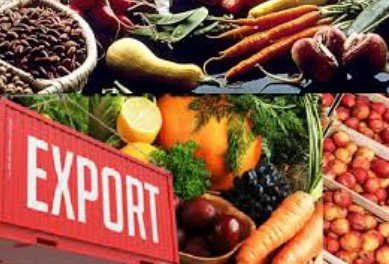
Officials briefed the meeting that Pakistan’s agricultural sector has significant export potential across multiple categories, including crops, meat, poultry, dairy products, and seafood. By utilizing maritime logistics and strengthening export coordination, Pakistan aims to position itself as a reliable supplier of food products to Gulf markets at a time when regional supply chains are under pressure.
Analysts say the initiative could strengthen Pakistan’s role in regional food security while boosting export revenues and maritime trade through national shipping lines, particularly as global trade patterns shift due to geopolitical tensions affecting traditional supply routes.