Pakistan Ports Become Safe Trade Hub as Global Shipping Lines Shift Routes, Boosting Transshipment, Maritime Logistics and Supply Chain Security
Pakistan’s major seaports are rapidly transforming into a high-value global trade hub, as international shipping lines reroute vessels toward safer corridors in the Arabian Sea logistics network, bypassing heightened risks in the Strait of Hormuz amid ongoing Middle East tensions. With improved port efficiency, reduced shipping costs, and faster cargo clearance, ports in Karachi are witnessing long queues of container ships, signaling a major shift in global shipping routes, maritime logistics, and supply chain resilience.

The government of Pakistan has introduced pro-trade maritime reforms, including reduced port charges, expedited clearance of backlogged cargo, and policy incentives to boost transshipment operations and port competitiveness. Specialized committees are also working on structural reforms in the maritime and logistics sectors to align with international shipping standards and global trade compliance frameworks.
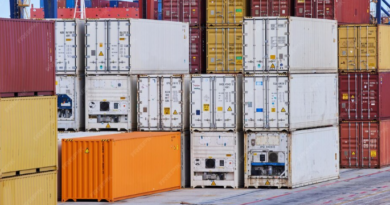
This strategic shift has triggered a record surge in transshipment activity, with Karachi ports handling 8,860 containers in just 24 days, surpassing the total annual volume of 8,300 containers recorded in 2025. The sharp increase highlights Pakistan’s growing role in container shipping, cargo rerouting, and international freight logistics optimization.
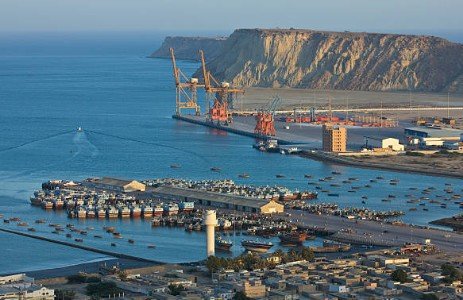
Meanwhile, Gwadar Port and Karachi are emerging as strategic transshipment hubs for GCC markets, particularly for petroleum products and LPG trade. Located outside vulnerable chokepoints, these ports offer secure maritime corridors, reduced insurance risks, and uninterrupted energy supply chains, making them attractive alternatives for global shipping companies navigating volatile Gulf routes.
Industry leaders, including representatives from the Pakistan Textile Exporters Association, emphasize that Pakistan is positioning itself as a safe, stable, and investment-friendly destination for global trade and logistics. The association has proposed the creation of a Centralised Monitoring & Response Unit integrated with the Pakistan Single Window system to act as a real-time control tower, improving cargo visibility, port coordination, and supply chain efficiency.
Further recommendations include implementing service-level benchmarks across ports, terminal operators, and shipping lines, aligned with global best practices to reduce dwell time and enhance operational transparency. Mandatory advance manifest filing has also been proposed to strengthen trade facilitation, digital logistics systems, and predictive cargo management.
As geopolitical tensions reshape global shipping dynamics, Pakistan’s ports are gaining prominence as a secure maritime trade gateway, reinforcing their role in global supply chains, energy logistics, and international trade corridors.