PetroChina Suspends Venezuelan Crude Trading as U.S. Takes Control of Exports
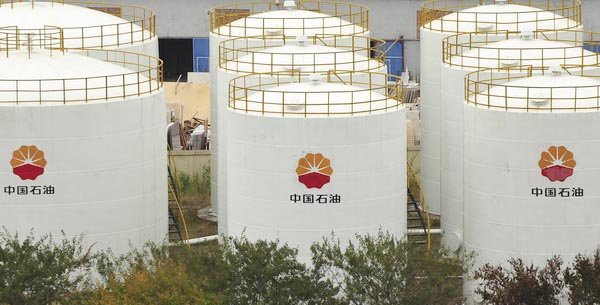
China’s state owned oil giant PetroChina has directed its traders to halt purchases and trading of Venezuelan crude oil since the United States assumed control of Venezuela’s oil exports earlier this month, according to sources with direct knowledge of the situation.
PetroChina, a publicly listed subsidiary of China National Petroleum Corporation (CNPC), was historically the largest buyer of Venezuelan oil until it stopped imports in early 2019 following U.S. sanctions targeting Venezuela’s oil sector. Its latest decision to refrain from engaging with new Venezuelan crude — at least until further clarity from company leadership — underscores a tightening of supply to Chinese refiners and challenges in global crude trading under shifting geopolitical conditions.
The halt comes after the U.S. government took control of roughly 50 million barrels of Venezuelan crude in January 2026 through an agreement with Caracas that places Venezuelan exports under American supervision. This move has sparked criticism from Beijing, which has condemned the redirection of oil trade away from China.
International trading firms Vitol and Trafigura have been authorized to market Venezuelan crude, selling cargoes to U.S. and European refiners such as Valero, Phillips 66 and Repsol, and reaching out to Indian and Chinese buyers for possible deliveries. However, traders report that price offers for Venezuelan heavy crude are less competitive compared with alternatives like Canadian, Iranian, and Russian grades, which is deterring immediate purchases.
In addition to crude trading dynamics, PetroChina is assessing how potential imports under Venezuela’s debt for oil programme with China could be affected, since some cargoes previously destined for Chinese refiners may now be rerouted under U.S. control. Analysts expect Chinese crude imports from Venezuela to decline sharply beginning in February, pushing China’s refiners toward other suppliers.
The evolving situation reflects broader shifts in global oil flows following changes in Venezuelan export control and highlights how geopolitical decisions by major powers can rapidly reshape trade relationships in the energy sector.