Russia and China Maintain Arctic LNG 2 Deliveries Despite Western Sanctions, China Reports Record Imports
Russia and China continue to maintain steady deliveries of liquefied natural gas (LNG) from the sanctioned Arctic LNG 2 project despite ongoing U.S., UK and EU sanctions, highlighting the resilience of Russian energy exports and growing Sino‑Russian energy cooperation. The Chinese Beihai LNG terminal received the first Arctic LNG 2 cargo of 2026, with data from LSEG showing that the vessel Buran LNG carrier loaded LNG from a floating storage unit near Murmansk on December 25 and proceeded toward China via the Suez Canal route.
Severe winter conditions have restricted access to the Northern Sea Route from Russia’s Arctic to China, prompting operator Novatek to increasingly rely on the Suez Canal pathway to keep shipments flowing. The Arctic LNG 2 project remains under sanctions by the United States, the United Kingdom, and the European Union, yet the supply chain has persisted since the first cargo reached the Beihai terminal in August of last year.
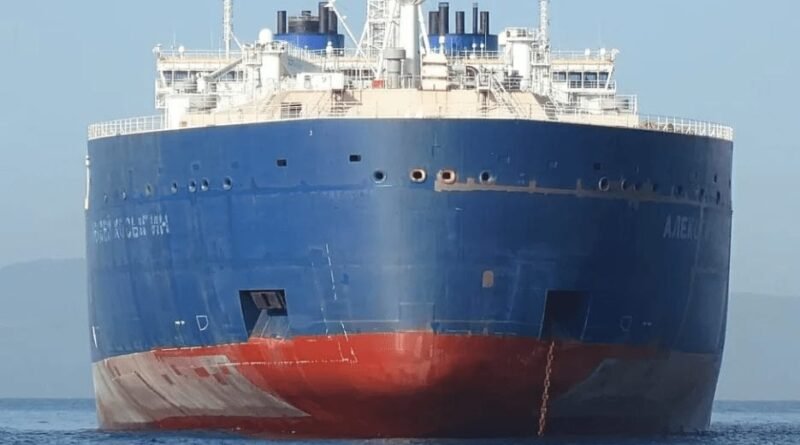
Russia is also keeping its sanctioned LNG trade with China active during winter thanks to an ice‑class vessel capable of navigating thick Arctic ice. The limited fleet of ice‑class tankers able to operate year‑round in Arctic conditions has led Moscow to supplement shipments with additional volumes from Portovaya LNG on the Baltic Sea, another facility facing U.S. sanctions.
Ongoing exports from both Portovaya LNG and Arctic LNG 2 may help explain why China recently reported record volumes of Russian LNG imports in December, surpassing the previous monthly high and exceeding estimates from multiple ship‑tracking services. The trend underscores China’s reliance on Russian LNG supplies and reflects broader shifts in global energy trade flows in the face of Western sanctions and geopolitical pressures.