Russian Oil Shipment Reaches Cuba as Energy Crisis Deepens Amid U.S. Sanctions Pressure
A major geopolitical and energy development is unfolding in the Caribbean as the Russian-flagged tanker Anatoly Kolodkin approaches Cuba carrying hundreds of thousands of barrels of crude oil, highlighting shifting dynamics in global oil trade, sanctions enforcement, and humanitarian energy supply.
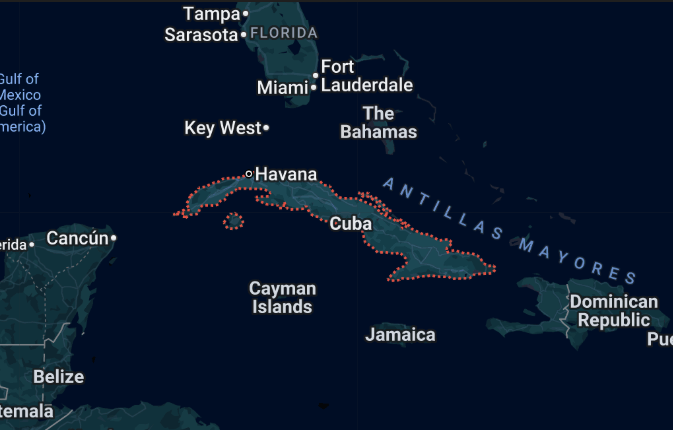
After departing from Primorsk, Russia on March 8 with an estimated 650,000–730,000 barrels of crude, the vessel has completed a weeks-long transatlantic journey marked by evasive tracking signals and strategic routing. Initially masking its destination during transit, the tanker later updated its course toward Matanzas, Cuba, where it is expected to dock.

Despite a strict U.S.-led embargo aimed at cutting off Cuba’s fuel lifelines, Washington has allowed the shipment to proceed, signaling a temporary shift in enforcement. The decision comes as Cuba faces one of its worst energy crises in decades, with prolonged blackouts, fuel rationing, and disruptions to essential services across the island.
Russia has framed the shipment as humanitarian assistance, reaffirming its support for Cuba amid mounting economic pressure. The Caribbean nation has struggled to secure oil supplies since early 2026, following the collapse of Venezuelan shipments, previously its primary source of fuel—after political upheaval in Caracas.
Maritime intelligence and open-source tracking also revealed heightened U.S. Coast Guard activity in the region during the tanker’s approach, underscoring the strategic sensitivity of oil logistics in sanctioned zones. Previous reports suggested that other vessels attempting to reach Cuba were diverted or engaged in deceptive navigation tactics, including disabling AIS signals or altering declared routes mid-journey.
Energy analysts note that while the incoming crude shipment offers short-term relief, its impact will be limited. Refining the oil into usable fuels such as diesel could take several weeks, and even then, the output may only cover national demand for a short period, forcing authorities to prioritize between electricity generation, transportation, and agriculture.
Read:Chattogram Port Handles 1.23 Lakh Tonnes LNG Arrival Amid Rising Energy Demand
The arrival of the Anatoly Kolodkin not only underscores the resilience of global oil supply chains under sanctions but also reflects the growing role of geopolitical alliances in shaping maritime energy routes, offshore logistics, and international trade flows.