Russia’s Yamal LNG Resumes LNG Exports to China, Signaling Shift in Global Gas Flows
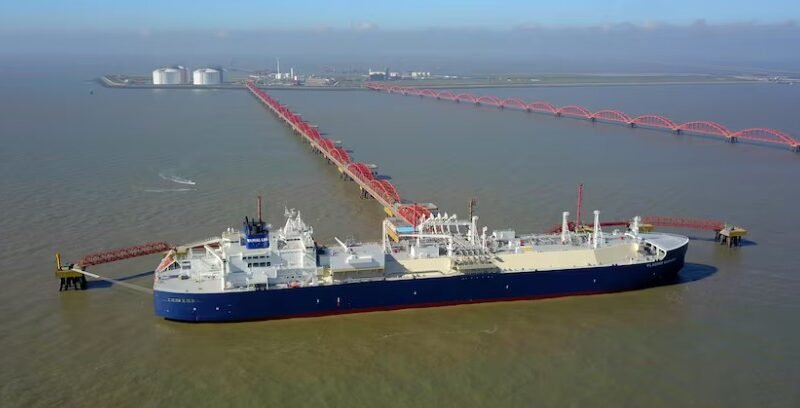
Russia’s Arctic-based Yamal LNG project has resumed shipments to China for the first time since November 2025, according to recent ship-tracking data. The latest cargo, transferred onto the LNG carrier Geneva from the Arc7-class tanker Vladimir Rusanov near Murmansk, is expected to reach Chinese ports by mid-May.
This shipment marks a tentative reorientation of Russia’s liquefied natural gas (LNG) exports) toward Asian markets, after European buyers absorbed nearly all available Yamal LNG volumes during the first quarter of 2026. Analysts highlight that geopolitical tensions and impending European Union restrictions on Russian gas imports are driving this eastward pivot.
Historically, Europe has been the dominant market for Yamal LNG, controlled by Novatek, Russia’s largest LNG producer. But recent disruptions, combined with tight global LNG supply, have compelled a gradual shift toward China and other Asian buyers. The previous Yamal LNG cargo to China departed in late November 2025, only arriving at the end of January 2026 after a longer routing around Africa.
The Yamal LNG facility, located in the Russian Arctic, has an annual production capacity nearing 20 million tonnes, making it a critical component of Russia’s LNG export strategy. While Europe continues to rely on Russian LNG in the short term, Moscow has signaled that future flows may increasingly target Asia, especially in light of upcoming EU sanctions and phased bans on Russian gas, effective January 2027.
Experts note that while a full-scale pivot to China faces challenges, such as logistical bottlenecks, seasonal Arctic routes, and limited LNG carriers ,the resumption of deliveries underscores a strategic redirection of energy trade. China is poised to become a major consumer of Yamal LNG, as European markets gradually close under regulatory restrictions.
This development highlights not only the resilience of Russia’s LNG infrastructure but also the broader realignment of global energy flows, where Asian energy markets are becoming increasingly critical for Arctic LNG exports.