Saudi Arabia Boosts Export Logistics with Extended Container Fee Waiver amid Global Supply Chain Disruptions
Strengthening its position as a global logistics powerhouse, Saudi Ports Authority has expanded a key incentive designed to ease container shortages and accelerate export growth. The latest move reflects a broader push to enhance supply chain efficiency, reduce shipping costs, and support international trade flows in a volatile geopolitical environment.
At the center of this initiative is the decision to double the storage fee exemption period for inbound empty containers, from 10 days to 20 days, at King Abdulaziz Port and Jubail Commercial Port. This policy is expected to significantly improve container availability by encouraging global shipping lines to reposition surplus empty units into Saudi Arabia, particularly from neighboring Gulf ports.
By reducing storage costs, the Kingdom is directly addressing one of the major barriers faced by carriers. The result is likely to be smoother cargo movement, improved turnaround times, and reduced logistics bottlenecks—key factors for exporters aiming to remain competitive in global markets. Industry experts highlight that better access to containers can lower operational expenses while increasing overall export efficiency.

According to logistics specialists, the policy intervention comes at a critical time. Ongoing geopolitical tensions affecting the Strait of Hormuz, a vital corridor for nearly 20% of the world’s oil shipments,have disrupted shipping routes, increased freight rates, and strained regional supply chains. These disruptions have amplified the urgency for proactive measures to stabilize maritime trade.
The initiative aligns closely with Saudi Arabia’s long-term ambitions under its national logistics transformation agenda, positioning the country as a central hub connecting Asia, Europe, and Africa. By incentivizing container inflows and supporting exporters, the Kingdom is reinforcing its resilience against global shipping volatility.
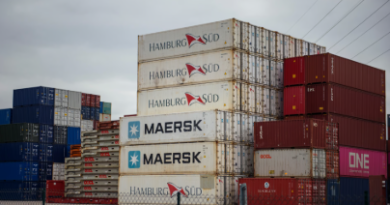
In parallel, Saudi Ports Authority has introduced additional maritime support services and expanded shipping connectivity by onboarding major global carriers such as Maersk and Hapag-Lloyd. These new services collectively add capacity exceeding 63,000 TEUs, further enhancing port efficiency and cargo handling capabilities.
The impact of these reforms is already visible. Saudi ports reported a 20.89% year-on-year increase in container throughput, reaching 667,882 TEUs in February, an indicator of growing trade momentum and improved port performance.
As global supply chains continue to face uncertainty, Saudi Arabia’s strategic logistics reforms signal a proactive approach to maintaining trade stability, boosting exports, and strengthening its role in international maritime commerce.