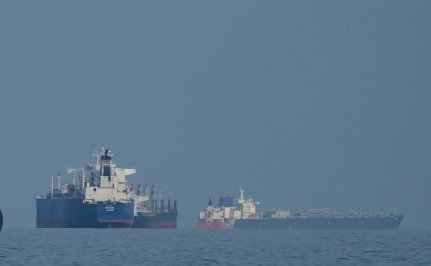
Strait of Hormuz Shipping Crisis: Iran Proposes Transit Tolls as Maritime Trade Faces Disruption
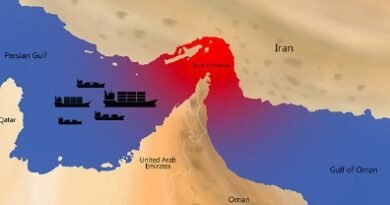
Iranian lawmakers have proposed imposing transit tolls and taxes on vessels passing through the Strait of Hormuz, a move that could significantly impact global oil shipping routes, maritime insurance costs, and international trade flows. According to local media reports, the proposal aims to charge countries for using the critical chokepoint as a secure corridor for energy supplies, cargo transit, and food security logistics.
Tehran lawmaker Somayeh Rafiei stated that parliament is actively pursuing a framework requiring nations to pay tolls if they rely on the strait for safe passage. She emphasized that the Islamic Republic would ensure maritime security in the region with “strength, authority and grandeur,” adding that such security would come at a cost to user states.
The proposal comes amid escalating geopolitical tensions following the outbreak of conflict triggered by US-Israeli strikes on Iran on February 28. Iranian officials have indicated that shipping conditions will not revert to pre-war norms, raising concerns across global energy markets and freight sectors. Mohammad Bagher Ghalibaf reiterated that maritime traffic through the strait is unlikely to normalize anytime soon.
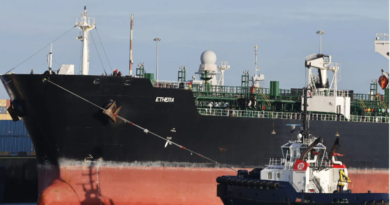
Since the conflict began, vessel traffic through the key oil transit corridor has slowed dramatically, with reports of near-standstill conditions. Iranian forces have targeted multiple ships, claiming they ignored warnings against entering the waterway, further heightening risk premiums for tanker operators and insurers.
Iran has recently allowed limited passage to vessels from countries it considers friendly, while warning it could block ships linked to nations it accuses of participating in aggression. Maritime intelligence firm Windward reported that at least five vessels transited via Iranian waters on March 15 and 16, indicating controlled but restricted movement through the region.

Read:Strait of Hormuz Shipping Disruptions Trigger Energy Market Volatility and Global Trade Concerns
Adding to the strategic pressure, a message attributed to Mojtaba Khamenei stated that leveraging the ability to block the Strait of Hormuz should be seriously considered, underscoring the growing use of maritime chokepoints as geopolitical leverage.
The developments are likely to have far-reaching implications for global oil prices, LNG shipping, supply chain security, and maritime risk assessment, as the Strait of Hormuz remains one of the world’s most critical energy corridors.