Strait of Hormuz Shipping Update: Iran Restricts ‘Enemy-Linked’ Vessels amid Global Oil Supply Concerns
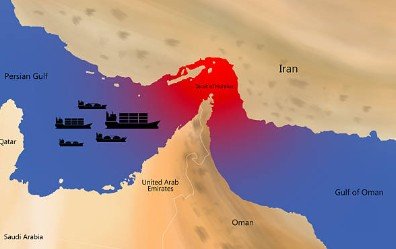
The strategically critical Strait of Hormuz remains open to international shipping, but vessels linked to Iran’s adversaries may face restrictions, according to statements from Iranian officials. The development comes at a time of heightened geopolitical tensions, raising concerns across global energy markets and maritime trade sectors.

Ali Mousavi, Iran’s representative to the International Maritime Organization and ambassador to the United Kingdom, stated that all ships not associated with what Tehran considers “enemy-linked” entities can continue to transit the waterway. However, such vessels are expected to coordinate with Iranian authorities to ensure maritime safety and security compliance in the region.
The Strait of Hormuz is one of the world’s most vital energy corridors, handling nearly 20% of global oil and liquefied natural gas (LNG) shipments. Any disruption or restriction in this narrow passage has immediate implications for crude oil prices, LNG markets, and global supply chains, making it a focal point for investors, shipping companies, and energy policymakers.
The latest remarks follow rising tensions involving the United States and Israel, with threats of escalation adding pressure on already volatile energy markets. Concerns over potential conflict have led to reduced vessel movement through the strait, increasing shipping insurance costs and impacting tanker routes.
Iran has reiterated its commitment to maintaining maritime safety through cooperation with international bodies, emphasizing that diplomacy remains its preferred approach. Officials stressed that restoring stability depends on reducing hostilities and rebuilding mutual trust among regional and global stakeholders.
Read: Strait of Hormuz Shipping Crisis: Iran Proposes Transit Tolls as Maritime Trade Faces Disruption
The evolving situation continues to influence global oil prices, maritime insurance premiums, and energy security strategies, as markets closely monitor any disruption in one of the world’s most critical shipping lanes.