Sweden Detains Captain of Sanctioned Russian Shadow Fleet Oil Tanker Over Alleged False Flag and Forged Documents
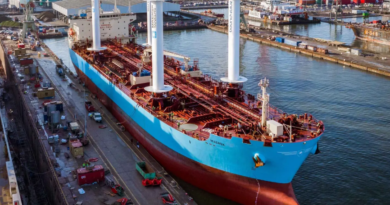
Swedish authorities have detained the captain of a tanker suspected of operating within Russia’s so-called “shadow fleet,” a network of vessels used to bypass Western sanctions on Russian oil exports. A Swedish court ordered the detention of the unnamed 55-year-old captain after his arrest by prosecutors on suspicion of using forged maritime documents while sailing under a potentially false national flag. The vessel, the oil tanker Sea Owl One, was intercepted in Swedish waters and boarded by the Swedish Coast Guard south of Trelleborg.
Investigators said the 228-meter tanker was sailing under what appeared to be a Comoros flag that authorities suspected was not valid. The vessel is listed under sanctions by the European Union, which has targeted shipping networks believed to be transporting Russian crude oil outside the price cap and sanctions regime imposed after the Russian invasion of Ukraine.
According to officials, the tanker had been traveling from Santos to Primorsk, a major Russian oil export terminal on the Baltic Sea. Authorities say the vessel has previously transported oil cargo between Russia and Brazil, highlighting how shadow fleet tankers are used to maintain crude exports despite international restrictions.
Swedish prosecutors confirmed the captain was brought before a court in Ystad, where a judge approved his detention while investigators continue questioning him over suspected maritime law violations and falsified ship documentation. Under Swedish legal procedures, detention for investigative purposes typically lasts around two weeks.
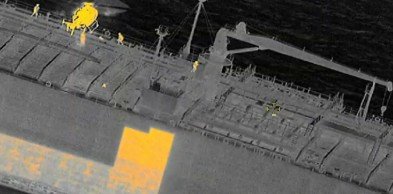
The operation took place after coast guard officers boarded the vessel late Thursday evening in Swedish territorial waters. Officials said their suspicions intensified when the captain produced documents that appeared to be forged and when authorities could not verify the tanker’s registration in the ship registry of Comoros.
The Embassy of Russia in Sweden confirmed that ten of the ship’s twenty-four crew members, including the captain, are Russian nationals, while the remaining sailors are from Indonesia. The embassy said it is closely monitoring the situation.
The incident marks the second seizure in a week involving suspected shadow fleet activity in Swedish waters. On March 6, the Swedish Coast Guard also detained the cargo vessel Caffa, which was sailing from Casablanca to Saint Petersburg and was suspected of transporting stolen Ukrainian grain. The vessel remains anchored near the coast of Trelleborg while authorities investigate.
European enforcement efforts against Russia’s shadow fleet have intensified across maritime trade routes. In recent months, France has also seized several tankers believed to be part of the same network, including Grinch and Boracay.
Western governments say Russia has increasingly relied on a fleet of aging tankers with opaque ownership, questionable insurance coverage, and complex flag registrations to continue exporting oil globally despite sanctions. These vessels have also been accused by security officials of manipulating vessel tracking signals, known as spoofing, and engaging in other covert maritime activities that could threaten subsea cables and maritime infrastructure.