
Thailand Secures Safe Passage for Oil and LNG Vessels through Strait of Hormuz amid Middle East Tensions
Thailand has reached a strategic agreement with Iran to allow Thai oil and liquefied natural gas (LNG) vessels safe transit through the critical Strait of Hormuz, the Southeast Asian nation’s Prime Minister Anutin Charnvirakul confirmed. The deal comes amid heightened maritime risks caused by ongoing regional conflicts, which have previously slowed shipping and disrupted fuel supply chains across Asia.

According to Prime Minister Anutin, the agreement aims to restore confidence in energy supply security and prevent disruptions similar to those seen in early March, when fuel imports were heavily affected. Over 80 percent of crude oil and LNG shipments to Asia pass through the Strait of Hormuz, making the agreement pivotal for regional energy logistics, maritime trade, and global oil supply routes, as highlighted by the US Energy Information Administration.
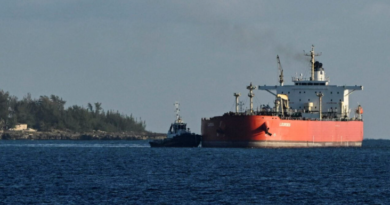
The announcement follows recent attacks on commercial vessels, including a Thai bulk carrier, resulting in missing crew members and a sharp decline in maritime traffic. Data from maritime tracking platform Kpler indicated that shipping through the Strait of Hormuz fell by 95 percent between March 1 and 26. The Islamic Revolutionary Guard Corps previously blocked multiple ships from transiting, citing security concerns, and 24 commercial vessels, including 11 tankers, have reported incidents this month in the Gulf, Strait of Hormuz, or Gulf of Oman, according to the British naval maritime security agency UKMTO.
The Thai government emphasized its commitment to adapt maritime security measures, safeguard energy imports, and ensure uninterrupted fuel supply for the public, reinforcing Thailand’s role in strategic energy trade and maritime logistics in Southeast Asia. The deal is also expected to boost confidence among global oil traders, shipping operators, and logistics stakeholders navigating the volatile Middle East shipping corridors.