Trump Hikes US Tariffs on South Korean Imports to 25%
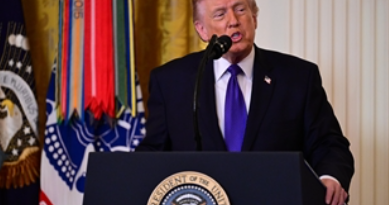
US President Donald Trump has announced a sharp increase in tariffs on imports from South Korea, raising duties to 25% after accusing Seoul of failing to fully implement a trade agreement reached last year.
In a social media post, Trump said tariffs would rise from 15% on a wide range of South Korean products, including automobiles, lumber, pharmaceuticals and other goods covered under what he described as “reciprocal tariffs.” He claimed South Korean lawmakers had been slow to approve the agreement, while the United States had acted quickly to reduce its own tariffs in line with the deal.
South Korea’s government said it had not received formal notification of the tariff increase and called for urgent discussions with Washington. The Industry Ministry confirmed that South Korean Industry Minister Kim Jung-kwan, currently attending meetings in Canada, plans to travel to Washington as soon as possible to meet US Commerce Secretary Howard Lutnick.
South Korea exported approximately $123 billion worth of goods to the United States last year, making it its second-largest export market after China. Car exports accounted for around $30 billion of that total.
Financial markets initially reacted negatively to Trump’s announcement, with shares in major automakers Hyundai and Kia falling by as much as 6% before recovering to close about 1% lower. South Korea’s benchmark Kospi index also rebounded from early losses to finish the day up 2.7%.
Analysts said investors appeared sceptical that the higher tariffs would ultimately be implemented, pointing to Trump’s recent reversal on proposed tariffs against European trade partners following opposition to US plans involving Greenland.
“With a delegation on its way from Seoul to Washington, markets are viewing this latest twist as more carrot than stick,” said Derren Nathan, head of equity research at Hargreaves Lansdown.
The US and South Korea reached a trade agreement in October that included a pledge from Seoul to invest $350 billion in the United States, with part of the funding earmarked for shipbuilding. The following month, both countries agreed the US would lower tariffs on certain goods once South Korea began the approval process.
The agreement was submitted to South Korea’s National Assembly on 26 November and is currently under review, with local media reporting it is likely to be approved in February.
Tariffs are paid by importing companies, meaning US firms would bear the cost of the 25% tax on South Korean goods. Trump has repeatedly used tariffs as a tool of foreign policy during his second term.
In recent days, he also threatened Canada with a 100% tariff over a potential trade deal with China, a claim denied by Canadian Prime Minister Mark Carney. Trump had previously warned of tariffs on several countries, including the UK, over opposition to US plans involving Greenland, but later withdrew the threat, citing progress toward a future agreement.