US Considers Strait of Hormuz Tolls after Iran Conflict, Raising Global Shipping Concerns
Global maritime trade could face a major shift as Donald Trump signaled that the United States may introduce transit tolls in the strategically vital Strait of Hormuz following the ongoing conflict with Iran.
Speaking to reporters, Trump suggested that Washington could impose fees on vessels passing through the critical oil shipping lane rather than allowing Tehran to collect revenues. The proposal hints at potential US control or oversight of one of the world’s most important maritime corridors, an idea that is already sending ripples across global shipping, energy, and logistics markets.
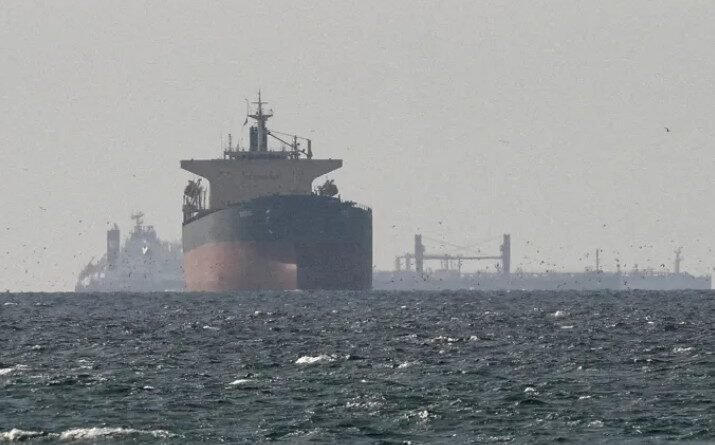
The Strait of Hormuz, which connects the Persian Gulf to the Indian Ocean, is a key artery for global energy supply chains. Before the conflict, nearly 20% of the world’s oil and liquefied natural gas (LNG) shipments moved through this narrow passage, making it one of the most commercially sensitive maritime routes in international trade.
Trump reiterated his stance that Iran has been militarily weakened, despite ongoing drone and missile operations in the region and continued disruptions in maritime traffic. He downplayed threats to shipping security, including the risk of naval mines, while emphasizing a US-led framework that could monetize passage through the waterway.
The proposal emerged alongside what Trump described as a “final ultimatum” to Tehran, demanding the reopening of the strait and acceptance of US conditions. According to the US administration, any future agreement must guarantee unrestricted oil and LNG flows through the corridor, a critical demand for stabilizing global energy markets and freight rates.
Meanwhile, signals from Tehran suggest a long-term shift in how the waterway may be governed. Senior Iranian officials have indicated that the situation in the Strait of Hormuz is unlikely to return to pre-conflict norms. Mohammad Bagher Ghalibaf previously noted that new realities will shape the future of maritime transit in the region.
Iran’s Foreign Minister Abbas Araghchi has also called for a revised international framework governing the strait, proposing a new protocol involving countries bordering the passage to ensure both safe navigation and national interests.
Adding another layer to the geopolitical and commercial stakes, discussions are reportedly underway in Washington about sharing the financial burden of the conflict, with potential expectations for regional allies to contribute to operational costs.
For the global maritime industry, the implications are significant. Any move to impose transit tolls, enforce naval control, or restructure governance of the Strait of Hormuz could reshape shipping economics, increase freight costs, and impact oil prices worldwide, placing shipping companies, energy traders, and port operators on high alert.
As the situation evolves, the future of one of the world’s busiest and most strategic sea lanes remains uncertain, with global trade flows hanging in the balance.