Cameroon announces Crackdown as 13% of Sanctioned Dark Fleet Tankers Fly Its Flag
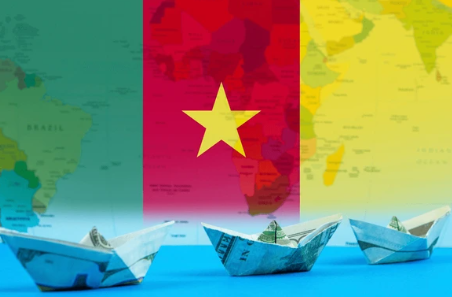
Cameroon has announced a sweeping crackdown on its ship registry after becoming a major flag state for sanctioned shadow fleet tankers, which now account for 13% of all sanctioned vessels broadcasting their flag via AIS in 2026.
The Government of Cameroon has pledged to deregister all shadow fleet tankers following diplomatic representations from Brussels and mounting scrutiny over a surge in registrations from sanctioned and previously stateless vessels in late 2025 and early 2026. According to Windward Maritime AI™ intelligence, more than 20 vessels reflagged to Cameroon in the past 30 days, and 43 in the past 60 days. Most of these tankers were previously flagless or stateless after using fraudulent registries or being removed by other flag administrations under international pressure.
Cameroon has now emerged as the second-largest registry for sanctioned shadow fleet tankers after Russia. Windward data shows that more than 120 sanctioned tankers currently fly Cameroon’s flag, while 180 tankers in total are registered under the Central African nation’s registry.
Enforcement Pressure Fuels Flag-Hopping
The rapid shift toward Cameroon follows intensified enforcement actions, including U.S. government-led boardings and interdictions of nine falsely flagged, stateless tankers in the Caribbean, Atlantic, and Indian Oceans since December. In addition, France detained the tanker Grinch in the Mediterranean last month, further tightening scrutiny on vessels engaged in transporting sanctioned oil cargoes.
Western-sanctioned tankers now number more than 1,100 vessels, representing roughly 20% of the internationally trading global tanker fleet. Anonymous owners shipping sanctioned crude from Iran and Russia , and previously Venezuela , increasingly turned to permissive or lightly regulated registries after established open registries such as Liberia and the Marshall Islands rejected their business.

Following Russia’s invasion of Ukraine, several smaller registries , including St. Kitts & Nevis, Gabon, Barbados, Cook Islands, San Marino, and Guinea-Bissau ,flagged and later de-flagged hundreds of vessels after receiving representations from Western governments concerning oversight deficiencies and compliance gaps. Many of these registries were operated under opaque contracts by private companies through networks of maritime agents.
As scrutiny intensified, shadow fleet operators shifted toward even smaller or “no-questions-asked” registries such as Gambia, Sierra Leone, Palau, Comoros, and Cameroon, or resorted to fraudulent flag documentation.
Smaller Registries Retrench Under Global Pressure
Cameroon is poised to become the fourth government in six months to remove sanctioned tankers in an effort to realign its registry with international maritime conventions and regulatory obligations.
Comoros and Gambia together deleted more than 130 tankers, while Palau dismissed the private contractor managing its registry after maritime agent shareholders were blacklisted by the U.S. for providing services to Iranian tankers.
On January 26, 14 coastal governments from the EU and UK jointly declared they would take enforcement action against unsafe Russia-trading tankers operating without valid flags or engaging in deceptive shipping practices. Since that declaration, flag-hopping has accelerated significantly.
In parallel with the migration toward Cameroon, at least 40 tankers have falsely reflagged to Russia following the December 10 boarding and seizure of the very large crude carrier Skipper off the coast of Venezuela.
Cameroon’s government has reportedly attributed an unspecified number of recent fraudulent registrations to cyber fraud, adding another layer of complexity to enforcement efforts.
Fewer Safe Havens for Sanctioned Tankers
The regulatory tightening leaves fewer jurisdictions willing to host shadow fleet vessels. Sierra Leone, which had minimal tanker tonnage in its fleet 18 months ago, now accounts for 10% of sanctioned ships.
Panama, the world’s second-largest ship registry, amended its regulations in late 2023 to de-flag all sanctioned ships.
Meanwhile, the government of Oman provided regulatory refuge to Russia-trading tankers and vessels beneficially owned by the Russian government-controlled shipping company Sovcomflot about a year ago, and has since accepted additional tankers sanctioned by the EU and UK. However, Oman’s registry has not flagged U.S.-sanctioned ships and, unlike several smaller registries, is not controlled by a private contractor, according to its reports to the International Maritime Organization.
With Cameroon’s pledge to deregister shadow fleet vessels, the number of available flag states for sanctioned tankers continues to narrow, intensifying global maritime compliance pressures and reshaping the landscape of the shadow oil trade.

Read More: U.S. Pursues Third Oil Tanker Tied to Venezuela, Official Confirms