Germany Offshore Wind Policy Crisis Deepens as Industry Demands Clear Roadmap before Maritime Conference
Germany’s offshore wind sector is entering a critical phase, with industry leaders warning that policy uncertainty could stall billions in clean energy investment and weaken Europe’s maritime competitiveness. The German offshore wind association, Bundesverband Windenergie Offshore (BWO), has urged the government to deliver clear political commitments and a binding expansion roadmap ahead of the upcoming National Maritime Conference.
The call comes at a time when offshore wind is increasingly viewed as a cornerstone of Europe’s energy transition, yet faces mounting pressure from regulatory delays, infrastructure gaps, and rising global competition.
Offshore Wind Investment at Risk Without Policy Clarity
According to BWO, the sector urgently needs a stable and predictable regulatory framework to sustain long-term investment. Key concerns include unclear auction mechanisms and delays in reforming offshore wind legislation, which are already creating hesitation among investors.
The association emphasized the importance of introducing two-sided Contracts for Difference (CfDs) to stabilize revenue models and support large-scale project financing. Without this, developers face increased financial risk in an already capital-intensive industry.
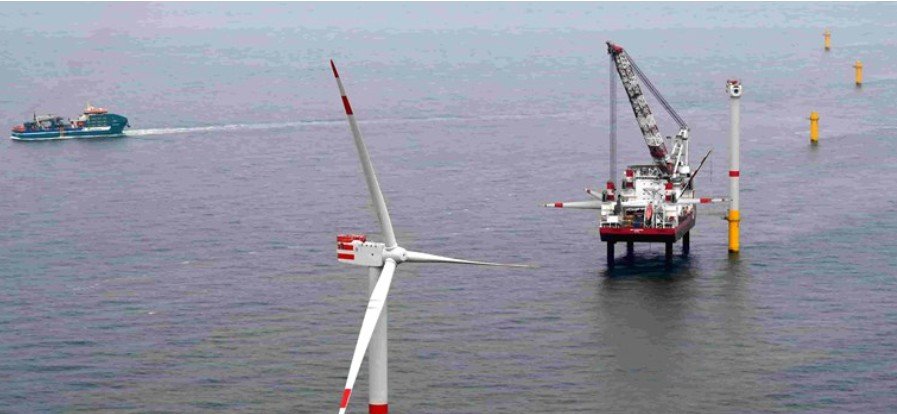
BWO is also pushing for a firm commitment to Germany’s offshore wind expansion target of at least 70GW by 2045, a benchmark seen as essential for meeting climate goals and maintaining industrial competitiveness.
Port Infrastructure and Maritime Capacity Under Pressure
A major bottleneck highlighted by the industry is the lack of adequate port infrastructure to support offshore wind expansion. BWO warned that German ports risk falling behind leading European hubs such as Port of Esbjerg, Port of Rønne, and Eemshaven.
If investment in port capacity and modernization does not accelerate, project developers may shift operations abroad, resulting in a loss of industrial activity, jobs, and supply chain opportunities for Germany.
To address this, BWO has called for a dedicated national funding program and a clear division of financial responsibilities between federal and state governments.
Security and Offshore Rescue Systems in Focus
Beyond infrastructure, the association stressed the need for a comprehensive security framework to protect critical offshore energy assets. As offshore wind farms expand, they become increasingly vital components of national energy security.
BWO also highlighted gaps in offshore emergency response capabilities, urging faster agreement on a centralized rescue system with sustainable financing by 2026. Reliable offshore rescue infrastructure is considered essential for worker safety and operational continuity.
Industry Warning: Delays Could Shift Investment Abroad
BWO Managing Director Stefan Thimm described the upcoming conference as a decisive moment for Germany’s maritime and energy future. He emphasized that strong ports, coordinated rescue systems, and a coherent security strategy are fundamental to enabling offshore wind growth.
The association warned that continued delays in policy reform could redirect investment and industrial capacity to other European markets, weakening Germany’s position in the global offshore wind sector.
Strategic Moment for Germany’s Energy Transition
With the National Maritime Conference approaching, industry stakeholders are looking to policymakers for decisive action. The outcome could determine whether Germany remains a leader in offshore wind or loses momentum to faster-moving competitors.
As global demand for renewable energy accelerates, the stakes are high,not just for Germany, but for the broader European energy transition and maritime economy.