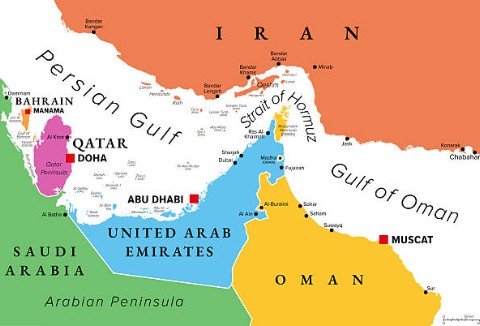
Iran Imposes Informal Strait of Hormuz Transit Fees on Commercial Shipping amid Middle East Tensions
Iran has begun charging select commercial vessels for safe passage through the strategic Strait of Hormuz, highlighting Tehran’s growing control over one of the world’s most critical maritime energy corridors.
Reports indicate that some ships are being asked to pay up to US$2 million per voyage, effectively creating an informal toll on this vital oil and gas shipping lane. The payments appear to be ad hoc, with details on currency and process remaining unclear. Observers say only a few vessels have complied, and the system lacks formal regulation.
The move underscores Iran’s significant influence over Hormuz, through which roughly 20% of global oil and gas exports transit daily, along with large shipments of food, metals, and raw materials. With the Middle East conflict now entering its fourth week, securing uninterrupted energy flows has become a top priority for international markets.
Shipping sources note that these payments are being handled quietly, adding uncertainty for global shipping companies and traders. Since the outbreak of hostilities, traffic through the strait has been limited, with most vessels either Iranian-linked or navigating closer to Iran’s coastline to avoid potential conflict zones.
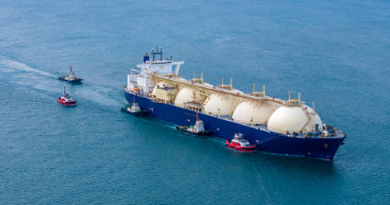
India, which has four LPG carriers scheduled to exit the Persian Gulf via Hormuz, reaffirmed that international maritime law guarantees the right of free navigation and prohibits unilateral fees on such strategic waterways.
Iran’s foreign ministry has not responded to requests for comment amid ongoing state-imposed internet and telecommunications restrictions. Observers suggest that Tehran may consider formalizing the transit charges as part of a broader postwar settlement. An Iranian lawmaker recently confirmed that the parliament is reviewing legislation to mandate payments for use of Hormuz as a “secure shipping route.”
For Gulf Arab producers, even an informal toll is unacceptable, raising concerns over sovereignty, trade route security, and the potential weaponization of maritime chokepoints critical to global energy supply chains.