Op-Ed: Methanol, Ethanol, and Biofuels: Steering the Maritime Industry toward Energy Resilience
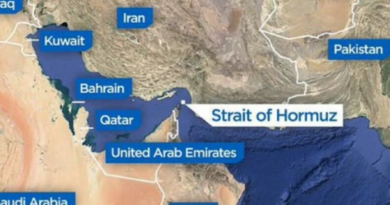
The maritime sector is at the crossroad of energy in a world that is becoming increasingly unpredictable geopolitically and whose global supply chains are becoming increasingly fragile. The reliance on traditional petroleum fuels which are the hitherto undisputed back bone of international trade and shipping is increasingly becoming susceptible. With the tension on strategic waterways like Strait of Hormuz and the Suez Canal intensifying, the need to have stronger fuel strategies is no longer an optional measure but a strategic necessity of maritime trade. The core of change is biofuels, such as methanol, ethanol and future generation fuels based on biomass, which promise to bring a greater level of energy security and mitigate environmental impact.
Geopolitical Risks Threaten Maritime Stability
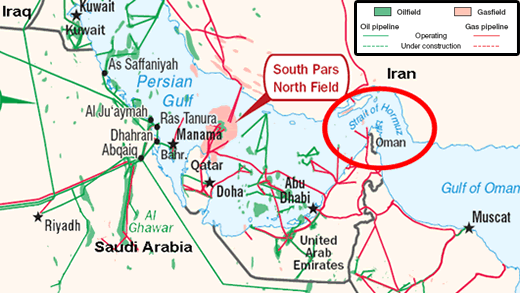
The world economic circulatory system is the global maritime transport network, which transports approximately 90% of the world trade on a volume basis. This system is, however, also reliant on a few important chokepoints. The Strait of Hormuz, a narrow passage between the Persian Gulf and the Gulf of Oman, is the transit route for nearly one‑fifth of the world’s crude oil exports. Likewise, the Suez Canal serves as a pivotal shortcut that connects Europe with Asia, handling roughly 12% of global trade traffic annually. Any disruption on these routes, either through war, piracy, or political machinations, has spillover effects on world supply chains and the oil markets.
This vulnerability has been brought to dramatic effect over the past few years by periodic paralyses along the Red Sea, where geopolitical wrangling led to the diversion of ships around the Cape of Good Hope, which added much more time and expense to shipping paths. Such incidents highlight a pressing strategic fact: the world has been overly dependent on oil as the primary energy source to transport it worldwide due to not only being environmentally unsustainable but also being geopolitically unsound.
Biofuels: A Strategic Hedge against Petroleum Dependence
Herein, the emerging consensus is that biofuels should be a key component of the energy transition plan in the maritime sector. Biomass is used to create biofuels and wastes such as plant materials, agricultural waste and organic materials. In contrast to petroleum that is formed over geological time, biofuels can be renewed and replenished through natural cycles of growth. This feature is sufficient to make them strategically useful, particularly to energy-independence-seeking countries.
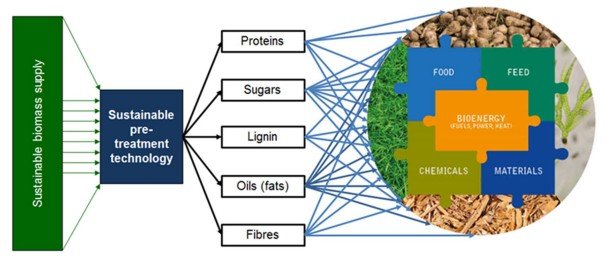
In addition to renewability, biofuels will lead to significant greenhouse gas (GHG) emissions reduction. The analytical modeling of cradle-to-grave emissions, known as lifecycle assessments, has indicated that cradle-to-grave sugarcane-obtained ethanol has the potential to reduce CO 2 emissions by 86-90% relative to conventional gasoline, given responsible land-management practices and without indirect land-use change (ILUC) effects (Goldemberg et al., 2008). Promising even greater emission reductions, new biofuel routes, such as agricultural residue or algal biomass, can entirely eliminate the food, fuel competition problem (International Renewable Energy Agency, 2023).
Methanol: A Transformative Marine Fuel
The most promising biofuel candidate is methanol, which is especially promising in shipping. Although its energy density is lower than that of traditional marine fuels, there are a number of benefits in the combustion profile of methanol. It significantly reduces emissions of sulfur oxides (SOₓ), nitrogen oxides (NOₓ), and particulate matter, pollutants closely linked to respiratory illnesses and environmental degradation (DNV, 2024). In addition, methanol is biodegradable and not as toxic in the event of a spill as heavy fuel oil.
Over the last several years, large shipping firms already started to invest in methanol-capable vessels. Those ships may run on the so-called green methanol which is obtained as a result of using renewable resources, and ship operators will be able to reduce considerably their carbon footprint without making any compromises in the flexibility of operation. Notably, methanol can be held in existing fuel infrastructure with relatively low upgrades, and it is a faster deployable option than other emerging fuel technologies.
Ethanol and Other Biofuels: Urban, Industrial, and Port Benefits
Ethanol has been extensively used in the maritime operations even though it is commonly referred to as an additive in transport fuels used in road transport system. Ethanol is a cleaner fuel than gasoline or diesel and lowers carbon monoxide and smoke. Ethanol use can reduce local health, and decrease the total carbon intensity, in coast and port cities, which are often subject to high air pollution caused by shipping and heavy industry (U.S. Department of Energy, 2023).
In addition, the versatility of ethanol allows it to serve as part of a hybrid energy system in auxiliary engines, power generation, and small craft propulsion, a fact that further supports its usefulness regardless of use in major engine fuel systems.
Challenges and the Path to Sustainable Deployment
Biofuels are not a panacea even though they have potential. There has been controversy over the first generation of biofuels, such as that made using food crops such as corn and sugarcane, because of potential indirect land-use change (ILUC) and food-production competition. ILUC happens when production of biofuel crops replaces farming land, which results in loss of either deforestation or ecosystem in other places, effectively reversing the emission benefits of the fuel itself (Searchinger et al., 2008).
These concerns will require robust policy systems and incentive systems to be in place to promote responsible land management and feedstock choice. Governments and the international community should move faster to invest in second and third generation biofuels that are created using non-food feedstocks like agricultural residues or forestry waste, or using algae which are much more sustainable without the need to take away food security. Also, sound regulatory control must be in place to control water consumption, biodiversity effects, and carbon accounting so that real environmental value is achieved.
National Energy Security and Economic Resilience
In addition to the environmental benefits, the use of biofuels will be capable of greatly boosting the energy security in the nations. Those nations that become efficient in the production of biofuels domestically will not be dependent on the imported oil, making them immune to the fluctuations in prices due to geopolitical instabilities. Such diversification also boosts economic resilience particularly to countries that have huge shipping industry or strategic maritime interests.
As an example, the creation of a biofuel industry would have provided the agricultural areas with a new economic activity as the crop residues and waste streams could be converted into a valuable exportable product. It may also bring about increased investment in research and infrastructure so as to make early adopters leaders in a new global bio-energy economy.
Toward a Lower‑Carbon Maritime Future
With the growing energy demands in the world, coupled with the increasing climate pressure, the maritime industry must be innovative and balance realistically between security and sustainability. Biofuels such as methanol, ethanol, etc. are not only a strategic option as a substitute to petroleum but also a step towards a low-carbon future. They can be adopted with a combination of wise policy, technology investment, and a desire to be sustainable to increase energy security, stabilize the shipping markets, and actually be a relevant part of the decarbonization worldwide.

This will not be a one-time transition. One has to go through economic, technical and regulatory hurdles. However, the number of new geopolitical and climate problems that require serious intervention is today. In the case of the maritime industry, fuel source diversification is not just a technological upgrade; it is also a strategic necessity. Resilience will not be where we can access oil, but where we can get beyond it in an ever more uncertain world.
References
- DNV. (2024). Maritime forecast to 2050. https://www.dnv.com/maritime/maritime-forecast/
- Goldemberg, J. (2007). Ethanol for a sustainable energy future. science, 315(5813), 808-810.
- International Renewable Energy Agency (IRENA). (2023). Advanced Biofuels Outlook.
- Searchinger, T., Heimlich, R., Houghton, R. A., Dong, F., Elobeid, A., Fabiosa, J., … & Yu, T. H. (2008). Use of US croplands for biofuels increases greenhouse gases through emissions from land-use change. Science, 319(5867), 1238-1240.
- U.S. Department of Energy. (2023). Alternative Fuels Data Center.