Global Shipping Security in Focus as China and Pakistan Push Diplomatic Plan for Strait of Hormuz Stability
Amid rising geopolitical tensions in the Middle East, a new diplomatic initiative is gaining attention for its potential impact on global shipping routes, oil trade security, and maritime stability. A joint proposal from China and Pakistan outlines a five-point peace plan aimed at reducing conflict and ensuring the safe flow of vessels through the critical Strait of Hormuz.
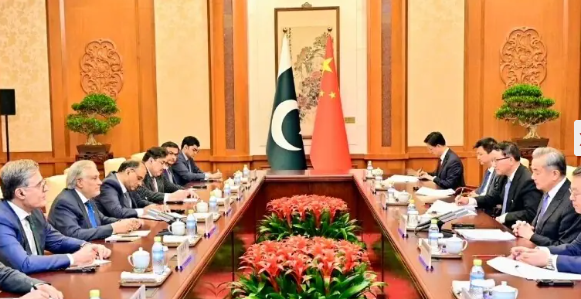
The proposal emerged following high-level talks in Beijing on March 31, 2026, where Ishaq Dar met with Wang Yi to address escalating risks to maritime trade, energy supply chains, and tanker operations in the Gulf region.

With nearly 20% of the world’s oil passing through the Strait of Hormuz, any disruption has immediate consequences for global energy markets, shipping insurance costs, and port operations. The ongoing tensions involving the United States, Iran, and regional players have already increased risks for commercial vessels and crew safety.
The joint plan emphasizes an immediate ceasefire and the urgent need to allow humanitarian aid into affected areas. It also calls for renewed diplomatic engagement, respect for national sovereignty, and strict adherence to international law. Both countries stressed that dialogue and diplomacy are essential for de-escalation, especially in a region that underpins global oil logistics.
A key priority highlighted in the proposal is the protection of commercial shipping lanes and maritime infrastructure. The plan urges all parties to avoid targeting critical facilities such as oil terminals, power plants, desalination systems, and peaceful nuclear installations—assets that are vital to both regional stability and international trade flows.
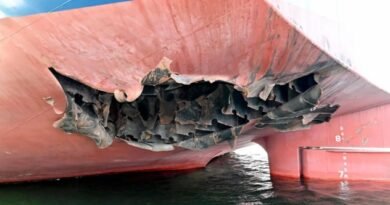
Shipping safety remains central to the initiative, with both nations calling for uninterrupted vessel movement and the restoration of normal maritime traffic through the strait. The appeal comes as freight operators and tanker companies face delays, rising premiums, and uncertainty due to ongoing conflict risks.
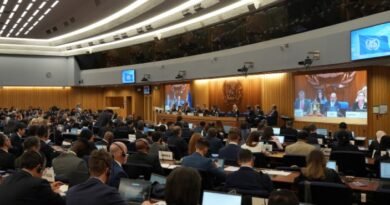
The proposal also supports multilateral efforts under the United Nations, encouraging global cooperation to reach a long-term and legally grounded peace agreement.
On the diplomatic front, Shehbaz Sharif and Syed Asim Munir have reportedly been engaging with key global figures, including Donald Trump and Masoud Pezeshkian, in an effort to reduce tensions and facilitate communication.
Pakistan’s strategic role is particularly significant given its geographic proximity to Iran and economic reliance on Gulf energy supplies. Any prolonged disruption in the Strait of Hormuz could directly impact fuel imports, shipping costs, and regional trade connectivity, while also raising internal security concerns.
Despite ongoing diplomatic efforts, mixed signals persist. While the United States has indicated progress in talks, Iran has denied any direct negotiations, reflecting the complexity of the situation.
Analysts suggest that Pakistan’s active involvement reflects its broader goal of strengthening its geopolitical position while balancing relations with Western allies, Gulf states, and neighboring Iran. As tensions continue, the success of this proposal could play a decisive role in stabilizing one of the world’s most critical maritime chokepoints.