Caribbean Coral Reefs Left Exposed as Climate Change Threatens Natural Coastal Defense Systems
The Caribbean’s coral reefs, long considered the region’s natural shield against hurricanes, storm surges and coastal flooding, are increasingly being left without adequate protection, even as climate change intensifies risks for coastal communities and maritime infrastructure.
New scientific research has revealed that nearly half of the Caribbean reefs with the greatest potential to continue protecting coastlines from extreme weather remain outside formal marine protected areas. The findings raise growing concerns for the future of coastal resilience, marine biodiversity, tourism economies and climate adaptation strategies across the region.
Coral Reefs: The Caribbean’s First Line of Defense
For tropical coastal communities, coral reefs play a critical role in reducing the destructive impact of hurricanes and rising seas. Their rugged underwater structures weaken incoming waves and can reduce wave energy by as much as 97%, significantly lowering coastal erosion and storm damage.
Globally, coral reefs are estimated to prevent nearly US$4 billion in storm-related losses every year. Scientists warn that without healthy reef systems, the financial and environmental damage caused by tropical storms could potentially double.
However, coral reefs are facing mounting pressure from ocean warming, marine pollution, overdevelopment along coastlines and increasing human activity. These stresses are accelerating the decline of reef-building corals ,the species responsible for creating the physical framework that protects shorelines and supports marine ecosystems.
Study Identifies High-Value Reefs Still Without Protection
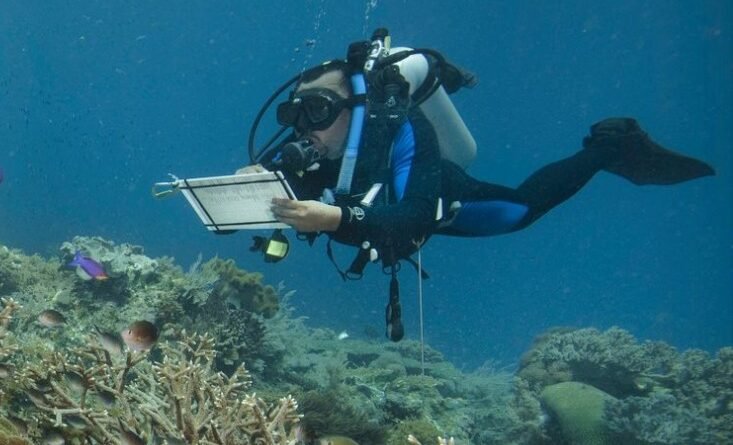
Marine researchers studying reef resilience across the Caribbean examined which coral reef systems are most likely to survive future ocean warming while continuing to provide coastal protection.
Their findings showed that only 54% of the reefs considered highest priority for long-term shoreline defense and climate resilience are currently protected from harmful human activities.
Several major reef systems in the Bahamas, Puerto Rico, Turks and Caicos, and Cuba remain unprotected despite their importance for coastal defense and marine biodiversity. Researchers say these locations present critical opportunities for expanded marine conservation efforts.
The study also highlighted gaps in protection across parts of the Greater Antilles, while reefs in western Caribbean regions and Florida were more likely to fall within existing marine protected areas.
Mexico’s Caribbean Coast Shows Economic Importance of Healthy Reefs
The economic value of coral reefs is especially visible along Mexico’s Caribbean coastline, where tourism remains a major source of revenue and employment.
The region’s tourism sector can generate up to US$15 billion annually, much of it directly or indirectly dependent on healthy reef ecosystems that support beaches, fisheries and diving tourism.
Researchers estimate that more than 105,000 people and approximately US$858 million worth of infrastructure in the Mexican Caribbean are protected by nearby reef systems.
The importance of these underwater barriers became especially clear during Hurricane Wilma in 2005, when the Category 5 storm struck the Yucatán Peninsula.
Near Puerto Morelos, offshore waves measuring nearly 36 feet were reduced to less than six feet closer to shore because of the reef barrier. The reef system in that area is part of a protected national park where access and activities are strictly controlled.
Not All Coral Reefs Offer the Same Coastal Protection
Scientists noted that the effectiveness of reefs depends heavily on the types of coral species building the structure.
Large, rigid and structurally complex corals, such as elkhorn coral formations, create elevated reef barriers capable of breaking and slowing powerful waves. Flatter or smaller coral species provide significantly less protection.
Researchers say identifying reefs with the strongest structural capabilities is becoming increasingly important for governments planning coastal resilience, maritime infrastructure protection and climate adaptation investments.
Many of these high-functioning reefs also support rich marine biodiversity and provide essential habitat for commercial fish species that sustain local fisheries and coastal livelihoods.
Ocean Warming Increasingly Threatens Reef Survival
The report warns that rising ocean temperatures are triggering more frequent and severe coral bleaching events across the Caribbean.
When water temperatures become too high, corals expel the algae living within their tissues ,organisms that provide nutrients and color to the coral. Extended heat stress can kill entire reef systems.
As coral colonies die, the reef structures gradually erode and lose the complexity needed to protect coastlines from storm energy.
Scientists warn that the loss of these reefs would leave Caribbean coastlines increasingly vulnerable to hurricane damage, coastal flooding and rising insurance and infrastructure costs in coming decades.