Iran Drone Attacks Hit Kuwait Power & Desalination Plants, Trigger Oil Facility Fires across Gulf Region
A fresh wave of Iranian drone attacks has struck critical energy and water infrastructure in Kuwait, damaging power generation units, desalination plants, and oil facilities, raising serious concerns over regional energy security and water supply stability.
According to officials, the overnight strikes caused “serious material damage” to two major power and water desalination plants, leading to the shutdown of multiple electricity-generating units. Authorities confirmed that no casualties were reported, but the impact on essential services has heightened alarm across the Gulf.
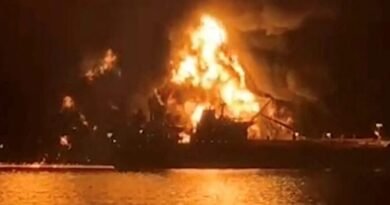
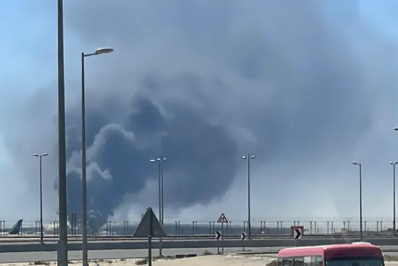
A spokesperson from Kuwait’s Ministry of Electricity, Water and Renewable Energy described the incident as a “criminal aggression” that disrupted key infrastructure. The attacks also triggered fires at the strategic Shuwaikh Oil Sector Complex and inflicted significant damage on a government office facility.
Energy experts warn that such strikes could have long-term consequences for Gulf economies, particularly as desalination plants are the backbone of water supply in arid regions. In Kuwait, nearly 90% of drinking water depends on desalinated sources, making these facilities critical for national survival.
State-owned Kuwait Petroleum Corporation confirmed “significant material losses” after multiple facilities were targeted. Emergency crews were deployed swiftly to contain fires and prevent further damage, ensuring no injuries occurred.

The escalation comes amid ongoing tensions following recent US and Israeli military actions against Iran. Gulf nations, including United Arab Emirates and Bahrain, have increasingly become focal points of retaliatory strikes.
In Bahrain, Iranian drone attacks hit industrial and oil storage infrastructure. Bapco Energies reported a fire at one of its storage tanks, while Gulf Petrochemical Industries Company confirmed damage to several operational units. Fires were quickly brought under control, with no casualties reported.
Authorities in Abu Dhabi also responded to fires at the Borouge petrochemical plant after debris from intercepted aerial threats fell within the facility. Operations at the plant have been temporarily suspended pending a full damage assessment.
Meanwhile, Saudi Arabia confirmed intercepting incoming missiles, underscoring the growing scale of the regional security challenge.
Security analysts note that despite Iran’s claims of targeting only US military assets, recent attacks indicate a broader pattern affecting civilian and economic infrastructure, including oil, gas, and water systems—key pillars of Gulf economies.
Gulf Cooperation Council (GCC) countries have so far exercised restraint, emphasizing diplomatic solutions and de-escalation. However, officials warn that continued attacks could shift the region’s defensive posture, with some states signaling their right to self-defense under international law.
As tensions rise, the risk of further disruption to global energy markets, oil prices, and water security remains high, placing the Gulf region at the center of a rapidly evolving geopolitical crisis.