
Gulf Maritime Crisis Deepens as Thousands of Seafarers Remain Stranded near Strait of Hormuz
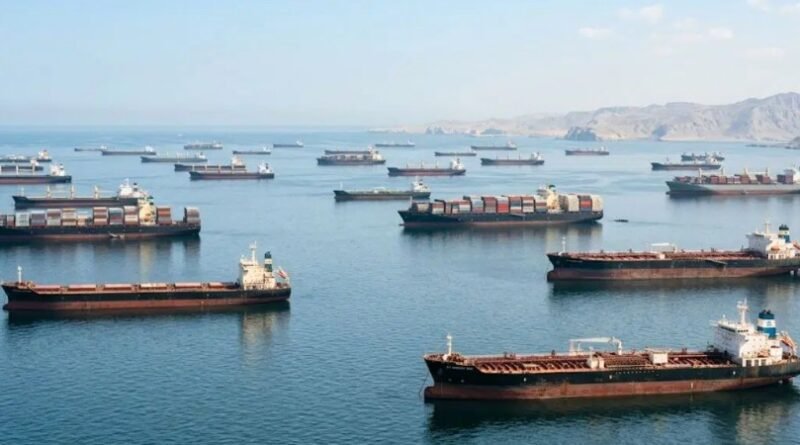
A worsening maritime security crisis in the Gulf is leaving more than 20,000 seafarers stranded aboard nearly 2,000 vessels, as Iran intensifies control measures around the strategically vital Strait of Hormuz, one of the world’s most important global oil shipping routes.
The situation has raised serious concerns across the international shipping industry, with crews reporting deteriorating living conditions, shortages of food and freshwater supplies, delayed wages, and mounting fears over regional military escalation.
Iran recently published a new maritime map through its Persian Gulf Strait Authority, reinforcing Tehran’s claims over broad sections of waters surrounding the Strait of Hormuz. The move is expected to complicate vessel movements further and deepen uncertainty for commercial shipping operators already struggling to secure passage permissions.
The crisis began after Iran closed the Strait following the outbreak of conflict triggered by U.S.-Israeli military strikes on February 28. Since then, thousands of commercial ships, oil tankers, and cargo vessels have remained trapped across Gulf waters while diplomatic negotiations remain stalled.
Many seafarers aboard the stranded vessels say they are living under constant fear of missile and drone attacks while facing increasing isolation at sea.
“The only thing we do here is plan how to spend the night and pray to God that we do not get hit during an attack,” Indian sailor Salman Siddiqui said while speaking from a stranded vessel in the Gulf.
Seafarers Facing Severe Humanitarian Conditions
Crew members aboard vessels anchored near Gulf ports describe exhausting routines inside confined living spaces under extreme heat, with limited communication with families and growing anxiety about their future.
During a recent resupply mission near the Saudi coast, sailors aboard tankers were seen waving from ship railings as supply boats delivered medical goods and essential provisions ,one of their few moments of outside contact in weeks.
According to the International Transport Workers’ Federation (ITF), more than 2,000 seafarers have sought assistance since the conflict began, reporting issues including abandonment, unpaid salaries, lack of provisions, and blocked repatriation requests.
Mohamed Arrachedi, the ITF’s network coordinator for the Arab world and Iran, warned that many sailors are enduring extremely vulnerable conditions because of the ongoing war situation.
He said some seafarers have not received salaries ranging between $100 and $200 per month since last year, while some shipowners are refusing to arrange their return home unless crews agree to forfeit unpaid wages.
Several sailors reportedly survive on only one daily meal consisting mainly of rice or lentils, while internet access remains extremely limited, reducing communication with loved ones and support networks.
Commercial Shipping and Global Supply Chains Under Pressure
The maritime crisis is also creating growing pressure on global energy markets and international supply chains, as the Strait of Hormuz remains a critical chokepoint for crude oil exports, LNG shipments, and commercial cargo traffic.
Shipowners attempting to move vessels out of the Gulf are reportedly navigating a complicated system of permits, payments, and approvals introduced by Iranian authorities.
Mohit Kohli, captain of a cargo vessel that became trapped after arriving from Singapore, said crews initially struggled to believe the Strait could actually be closed.
His vessel later anchored safely near the Saudi port of Dammam, but crew members soon witnessed missile and drone activity across the region.
“The crew who was usually loud and happy were now silent. Meals got shorter. Conversations became more guarded,” Kohli recalled after returning to India.
While some shipowners have arranged relief crews and crew transfers, maritime labor representatives warn that many stranded seafarers continue to face far worse conditions aboard aging vessels with minimal support.
Saudi Ports Assisting Stranded Crews
Regional authorities are now working to reduce humanitarian risks for trapped crews.
Suliman Almazroua, president of the Saudi Ports Authority, said Saudi ports have facilitated food deliveries, freshwater supplies, fuel, medicines, and crew transfer operations for hundreds of vessels affected by the Gulf shipping crisis.
Read: Third Qatari LNG Tanker Passes through Strait of Hormuz Bound for China amid Regional Tensions
More than 500 sailors have already been assisted in transferring from stranded ships, according to Saudi port officials.
“Seafarers stuck on a vessel in uncertain waters, the most important thing in the world is knowing that there is a shore open to reach,” Almazroua said.
The ongoing Strait of Hormuz crisis is increasingly highlighting the vulnerability of global maritime trade, international shipping routes, and the seafarers who remain essential to sustaining worldwide supply chains during times of geopolitical conflict.