Saudi Logistics Network Expands Sea Rail Air Logistics Integration Under Vision 2030 to Strengthen Supply Chain Saudi Arabia and GCC Logistics Integration
Saudi Arabia is rapidly advancing a multimodal logistics network, strengthening its position in global trade through a fully integrated system that connects sea, rail, and air freight corridors, boosting Saudi logistics network efficiency, supply chain Saudi Arabia resilience, and GCC logistics integration. The transformation is being driven under Saudi Vision 2030 logistics hub strategy, positioning the Kingdom as a major global transit and redistribution center across key international shipping routes.
This large-scale shift in sea rail air logistics infrastructure is designed to optimize freight movement through major maritime gateways such as King Abdulaziz Port in Dammam and King Abdullah Port, while linking inland industrial zones through advanced rail corridors operated by Saudi Arabia Railways (SAR). The initiative enhances freight corridors, multimodal transport efficiency, and maritime logistics connectivity, reducing bottlenecks and improving cargo flow between the Arabian Gulf, Red Sea, and regional markets.
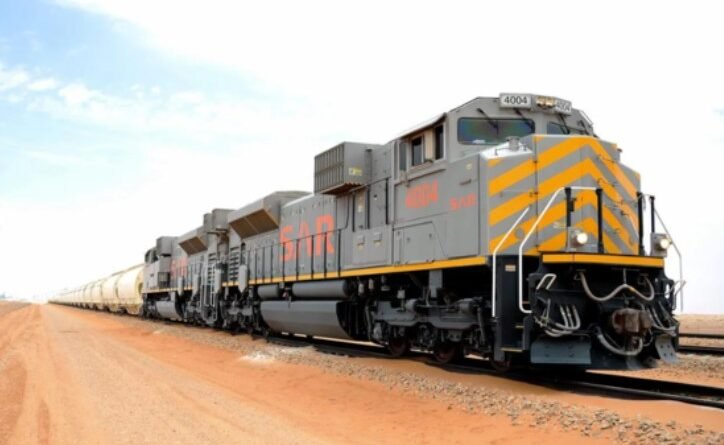
At the center of this transformation is Saudi Arabia Railways (SAR), which is playing a strategic role in linking industrial heartlands with maritime gateways and regional trade routes. The latest expansion includes five new logistics routes, reflecting a broader national effort to reposition the Kingdom within global supply chains under the National Transport and Logistics Strategy and Vision 2030.
These new routes represent more than infrastructure upgrades; they are part of a coordinated logistics restructuring designed to reduce congestion between ports and inland industries, streamline freight movement, and ensure uninterrupted cargo flow across the Kingdom’s transport ecosystem.
The initiative is also aimed at strengthening integration between Gulf maritime ports and inland rail networks, ensuring that cargo moves seamlessly between industrial production zones and international shipping lanes. By combining rail and road systems, Saudi Arabia is building a synchronized logistics framework that enhances speed, safety, and reliability.
Five new rail routes strengthen national freight architecture
Saudi Arabia Railways (SAR) has launched five new logistics routes to enhance supply chain efficiency and deepen multimodal integration. These routes connect Arabian Gulf ports with central and northern regions, extending toward the Red Sea and cross-border corridors.
The network links key logistics hubs including Riyadh Dry Port, Dammam, Jubail, Ras Al Khair, Al Kharj, Hail, and Al Qurayyat, functioning as synchronized transfer points for high-volume exports such as petrochemicals and minerals.
A SAR statement confirmed the initiative supports the National Transport and Logistics Strategy and Vision 2030, aiming to establish Saudi Arabia as a global logistics hub through an integrated road and rail system.
SAR CEO Bashar AlMalik stated the new routes will remove thousands of trucks from roads, improve safety, reduce carbon emissions, and strengthen the Kingdom’s role as a strategic East–West logistics corridor.
Ports, rail, and industry operating as a unified system
The new rail corridors reflect deeper integration between maritime ports and inland logistics infrastructure. Gulf ports such as Dammam and Jubail are increasingly operating as extensions of rail terminals rather than standalone gateways.
Cargo flows are being optimized to move seamlessly across sea, rail, and road systems, reducing transit delays and improving reliability for exporters. The Riyadh Dry Port plays a key role as a consolidation and redistribution hub linking coastal gateways with inland and regional markets.
GCC logistics integration strengthens regional trade flow
Saudi Arabia’s logistics expansion is reinforced by GCC-wide integration efforts aimed at harmonizing transport regulations and improving freight mobility. Reforms introduced by the Minister of Transport and Logistic Services include extended truck lifespans, cross-border freight facilitation, and dedicated GCC logistics zones at King Abdulaziz Port in Dammam.
These zones support faster container movement and improved distribution between eastern and western trade corridors, along with up to 60 days of storage fee exemptions for GCC imports and exports.
Additional maritime connectivity improvements include new shipping lines at Jeddah Islamic Port and King Abdullah Port, along with routes linking Sharjah with Dammam and Umm Qasr with Bahrain, reshaping regional trade flows and reinforcing Saudi Arabia’s role as a logistics redistribution hub.
Rail capacity expansion supports rising freight demand
The Transport General Authority has authorized SAR to operate container trains at additional stations, expanding national rail freight capacity. Current container rail operations handle more than 2,500 TEUs per day, with further expansion expected to increase throughput and strengthen port-to-inland connectivity.
Read:Saudi Arabia Prepared for Shipping Route Shift to Jeddah Islamic Port amid Strait of Hormuz Tensions
Together, these developments mark a coordinated national transition toward a fully unified logistics ecosystem where ports, railways, roads, and air transport operate as a single integrated trade network, positioning Saudi Arabia as a global logistics crossroads between East and West.