
Cocaine Pollution in Rivers Alters Salmon Behavior, Raising Aquatic Toxicology Concerns and Wastewater Management Risks
Cocaine pollution in rivers and lakes is emerging as a serious environmental contaminant, with new research revealing its potential to disrupt salmon behavior and threaten aquatic biodiversity. Scientists warn that cocaine pollution in rivers, along with other pharmaceutical pollutants, may have far-reaching consequences for fish populations and ecosystem stability.
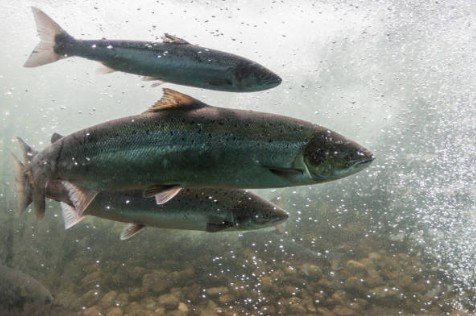
The study focused on juvenile Atlantic salmon exposed to environmentally realistic levels of cocaine and its primary metabolite. Researchers found that the exposed fish swam longer distances and dispersed more widely across freshwater systems. This behavioral shift suggests that aquatic toxicology risks linked to drug contamination could influence feeding patterns, migration, and predator vulnerability, key factors in survival.
While the exact impact of such pollutants entering waterways through wastewater treatment systems remains uncertain, scientists highlight potential energy imbalances in fish. Increased movement may force salmon to consume more food, exposing them to predators and affecting their overall health. Researchers emphasize that these trade-offs could lead to weakened fish populations over time.
According to Jack Brand, the long-term consequences are still unclear, but behavioral changes indicate underlying stress. He notes that fish may compensate by increasing foraging activity, which could place them at greater ecological risk.
The research builds on growing concerns about pharmaceutical pollution in aquatic ecosystems. Previous studies have shown alarming trends, including fish exposed to substances like methamphetamine and antidepressants exhibiting abnormal behaviors such as reduced fear of predators. Experts warn that such emerging water pollutants represent a “major and escalating risk to biodiversity.”
In controlled experiments, scientists implanted salmon with slow-release doses of cocaine and its metabolite, benzoylecgonine, before releasing them into Lake Vättern. Using advanced environmental monitoring systems, researchers tracked fish movement over two months. Results showed that salmon exposed to the metabolite traveled significantly farther, up to double the distance of unexposed fish,highlighting the compound’s stronger ecological impact.
The findings, published in Current Biology, underscore the importance of including drug metabolites in environmental risk assessments, as they may pose greater threats than the original substances.
Environmental experts, including Leon Barron from Imperial College London, stress the need for improved water quality management. He notes that while modern treatment plants can remove many contaminants, untreated sewage, often released during storm overflows or plumbing misconnections, remains a key source of pollution.
environmental research indicates that trace drug pollutants in freshwater systems can bioaccumulate and subtly alter aquatic species’ neurological functions, amplifying ecosystem-level risks. Studies highlighted by United Nations Environment Programme emphasize that without advanced wastewater upgrades, emerging contaminants like cocaine metabolites could undermine long-term biodiversity and fisheries sustainability.
The study highlights a pressing need for sustainable water solutions and stricter wastewater controls to mitigate the impact of drug contaminants on aquatic ecosystems. As pollution from human pharmaceuticals continues to rise, scientists warn that protecting freshwater biodiversity will require urgent global attention and innovation in environmental management.
Related