China Accelerates Maritime Trade with Africa through Faster Shipping Routes and $6.3B Trade Expansion
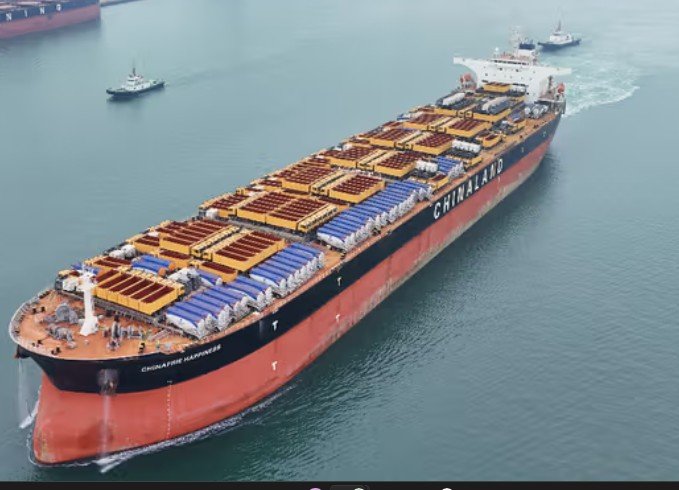
China is rapidly transforming global maritime logistics by introducing faster direct shipping routes to Africa, marking a significant shift in the international ocean freight and trade network. The development comes alongside a strong rise in trade activity, with exports from major Chinese ports to Africa exceeding $6.37 billion in the first quarter of 2026, reflecting a year-on-year increase of more than 26%.
According to reports, the expansion is part of a broader strategy to strengthen the China–Africa trade corridor, improve supply chain efficiency, and reduce long-standing shipping delays affecting industrial and commercial cargo flows.
Major Chinese Ports Expand Direct Africa Shipping Services
Several key ports across China have begun implementing new regular direct shipping services to African destinations, significantly improving transit efficiency for exporters and importers dealing in industrial goods, machinery, electronics, raw materials, and manufactured products.
In eastern China, Qingdao Port recorded strong export performance to Africa, driven primarily by rising demand for high-tech goods and industrial machinery. The port’s trade growth highlights Africa’s increasing reliance on imported technology and infrastructure-related equipment.
Meanwhile, Yantai Port has expanded its maritime network with new routes connecting both North and Southern Africa. The port reported a cargo increase of over 30% in the first quarter of 2026, with total throughput surpassing 2 million tonnes for the first time, signaling growing adoption of new trade corridors.
In northern China, Tianjin Port has launched a direct container shipping service to South Africa, cutting transit times by approximately 10 days. The average shipping duration is now around 40 days, improving predictability and reducing logistics costs for international freight operators.
Zero-Tariff Policy Set to Boost Maritime Trade Volume
The expansion of shipping infrastructure aligns with China’s broader trade policy shift, including plans to introduce zero-tariff access for 53 African countries with diplomatic relations, effective 1 May 2026.
This policy is expected to further enhance trade integration between China and African economies, particularly in sectors such as manufacturing inputs, consumer goods, and infrastructure development materials.
Previously, similar tariff exemptions were extended to least-developed countries, many of which are located in Africa. The new expansion is seen as a continuation of this long-term economic engagement strategy.
Analysts See Strong Growth in Global Shipping and Logistics Demand
Industry analysts suggest that the combination of faster maritime routes, reduced transit times, and tariff liberalisation could significantly increase trade volumes across the China–Africa corridor.
The improvements are expected to benefit global shipping companies, freight forwarding services, and international logistics providers by creating more stable and efficient ocean freight networks.
With rising industrial demand in Africa and China’s continued investment in port infrastructure and maritime connectivity, the region is positioning itself as a key driver in the future of global maritime trade and supply chain restructuring.