Fuel Leak Reported From UAE Tanker near Oman amid Strait of Hormuz Maritime Crisis
coast of Oman, raising fresh concerns over maritime security, environmental pollution, and the growing risks facing global shipping routes in the Strait of Hormuz.
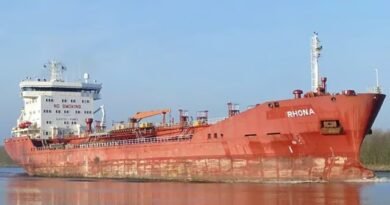
State-owned energy giant Abu Dhabi National Oil Company confirmed on Wednesday that its tanker, the M.V. Barakah, remains anchored near Oman after being targeted in a drone attack on May 4 during escalating tensions linked to the Iran conflict.
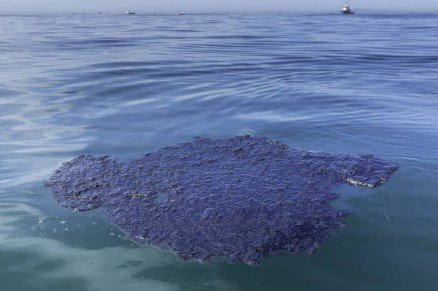
According to ADNOC Logistics & Services, the vessel was hit by two Iranian drones, causing a limited release of bunker fuel into surrounding waters. The company said it is actively monitoring the situation and coordinating with maritime authorities and specialist response teams to contain any environmental impact.
“The ADNOC Logistics & Services vessel Barakah remains at anchor off the coast of Oman after being impacted by two Iranian drones on May 4,” a company spokesperson said. “A small amount of what is understood to be bunker fuel was unfortunately released as a result of the incident.”
The company did not disclose the volume of fuel leaked into the sea.
At the time of the strike, the tanker was reportedly not carrying cargo, and no crew members were injured. However, the incident highlights mounting dangers for commercial shipping and oil tanker operations in one of the world’s most strategically important maritime chokepoints.
The effective closure of the Strait of Hormuz has severely disrupted Gulf shipping traffic, leaving hundreds of vessels stranded and increasing pressure on global energy markets, marine insurers, and freight operators. The narrow waterway is a critical route for crude oil exports, LNG shipments, and international maritime trade.
Satellite imagery captured on May 7 and May 9 by the European Copernicus Sentinel system reportedly showed a visible white trail extending behind the M.V. Barakah near Oman’s Musandam Peninsula. Maritime analysts said the pattern appeared consistent with an oil slick originating from the damaged tanker.
Louis Goddard, co-founder of climate and commodities consultancy Data Desk, said the imagery strongly suggested fuel leakage from the vessel. Later satellite images reportedly showed the slick had dissipated.
The incident comes as additional satellite imagery last week revealed another suspected oil spill near Iran’s major oil export hub at Kharg Island. Iranian environmental officials later stated the pollution was likely caused by a tanker discharging wastewater rather than a leak from offshore oil infrastructure.
Read: Sweden Files Charges in Major Baltic Oil Spill as Shadow Tanker Investigation Intensifies
The latest developments have intensified fears of an environmental disaster in the Gulf region as military tensions continue to threaten maritime trade routes, oil tanker safety, and regional energy security.