Four Indian Seafarers Rescued from Abandoned Cargo Ship After 10 Months in Turkey
A long-running maritime abandonment case has ended after four Indian seafarers were finally rescued from a deteriorating cargo vessel in Turkey, following months of intervention by authorities and international maritime organizations.
The rescue was carried out after the Turkish government stepped in, bringing closure to a distressing situation that began when the vessel’s owner was arrested in connection with an international drug-related investigation. While most of the crew had already been repatriated earlier, four seafarers remained stranded on board since July 2025 without wages, proper supplies, or replacement crew.
Abandoned Cargo Vessel Detained in Turkey
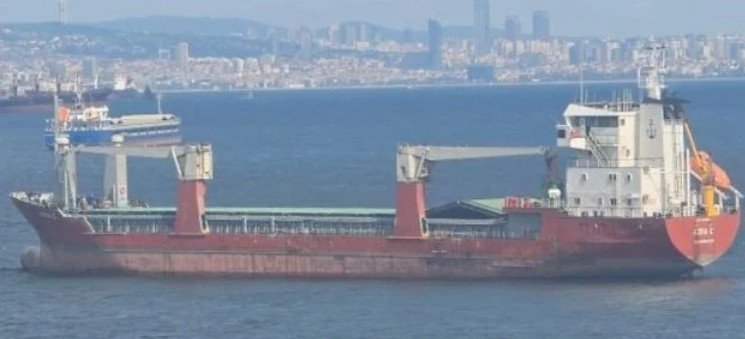
The vessel, Azra C (4,257 DWT), arrived in Turkey in July 2025 reportedly for repairs and scheduled drydocking. However, an inspection in August 2025 revealed 54 deficiencies, highlighting severe safety and maintenance issues.
Built in 1986, the 60-meter cargo ship had been operated by a Turkish company since 2023 and was registered under the Mongolian flag. The vessel’s condition continued to deteriorate while it remained idle at port.
Crew Abandonment Declared After Months of Neglect
According to the International Labour Organization (ILO), the vessel was officially listed as abandoned on October 1, 2025. At that time, the crew consisted of 15 seafarers, including 13 Indian nationals, one Egyptian, and one Turkish sailor.
Initial assurances from owners and agents stated that repairs were underway and outstanding wages would be paid within 15 days. However, those commitments were never fulfilled.
By December 2025, India’s Directorate General of Shipping and international maritime bodies including the International Transport Workers’ Federation (ITF) had stepped in as conditions worsened.
Critical Conditions on Board
Following the arrest of the vessel’s owner in January 2026, communication with port agents collapsed. Crew members reported a lack of fuel, food, and drinking water, with worsening survival conditions.
By March 2026, the stranded seafarers reported they had only 800 litres of diesel remaining, limited drinking water supply, and were forced to rely on emergency generators for a few hours daily for cooking and battery charging.
Despite partial repatriation of most crew members later that month, four seafarers were required to remain onboard to ensure vessel safety compliance.
By May 2026, the remaining crew reported they had not received wages for 8–9 months and had almost exhausted fuel reserves, with no external assistance reaching them.
Read :Op-Ed: Inside the Life of Seafarers Navigating War Zones :Risk at Sea in 2026
Turkish Government Intervention Leads to Rescue
The situation escalated after Turkey’s Minister of Transport and Infrastructure, Abdulkadir Uraloğlu, was informed through media reports. He immediately ordered urgent action to secure the crew’s safety and expedite their repatriation.
Turkey’s coastal safety authority subsequently took control of the vessel. The four seafarers were evacuated using a lifeboat and transferred to consular authorities for repatriation procedures.
Rising Global Concern Over Seafarer Abandonment
The case highlights a growing global maritime crisis involving abandoned ships and unpaid crews. Reports from India’s shipping authorities indicate that more than 3,500 Indian seafarers have been repatriated from distressed vessels, many stranded in regions including the Persian Gulf.
Maritime labor organizations warn that Indian nationals remain among the most affected by ship abandonment cases worldwide.
The ITF reported that 2025 marked a record year for maritime abandonment incidents, with 410 vessels and 6,233 seafarers affected globally. Turkey recorded the highest number of cases among countries, with 61 incidents. Early 2026 figures already indicate a further 151 abandonment cases, reflecting a continuing rise in maritime labor crises and enforcement challenges in global shipping.