Iranian Oil Tankers Cross Strait of Hormuz Blockade Line Ahead of US-Iran Peace Talks
Iranian crude oil exports have resumed for the first time in two months as several oil tankers crossed the United States blockade line in the Strait of Hormuz, signaling a potential easing of tensions ahead of upcoming US-Iran negotiations aimed at ending the conflict and restoring energy trade.
According to maritime intelligence platform TankerTrackers, multiple tankers carrying Iranian crude successfully exited the blockade zone this week, just days before Washington and Tehran are scheduled to begin a new round of negotiations following a framework agreement to end the war.
The monitoring service reported what it described as Iran’s first crude oil exports in two months, based on digital vessel tracking data supported by satellite imagery analysis. The development comes as international attention focuses on the future of the Strait of Hormuz, one of the world’s most strategically important maritime shipping corridors for global energy supplies.
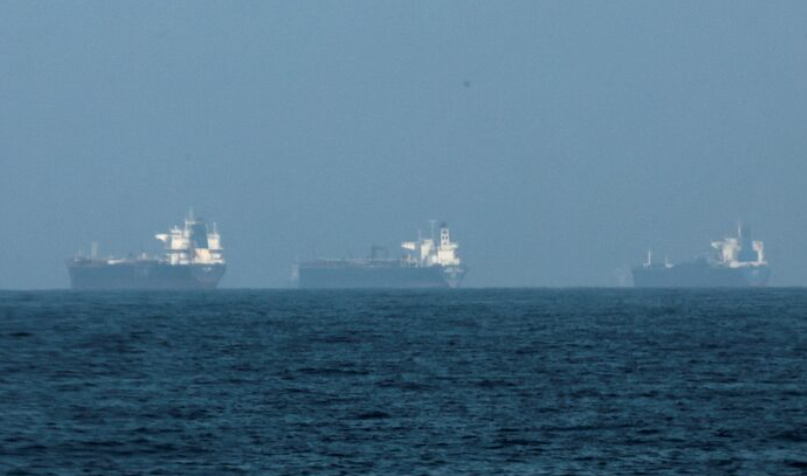
TankerTrackers said that two vessels operated by the National Iranian Tanker Company (NITC), the Diona and Hero 2, departed the blockade line on Tuesday carrying a combined cargo of approximately 3.8 million barrels of Iranian crude oil. At the same time, another tanker, Stream, was reported sailing toward Iranian ports.
The maritime tracking platform also identified a third NITC-operated tanker carrying around 1 million barrels of crude oil that passed the US Navy blockade line in the Gulf of Oman on Wednesday. In a separate update on X, TankerTrackers reported that the tanker Sonia I crossed beyond the blockade line at 01:11 GMT.
The movement of Iranian tankers coincides with preparations for formal negotiations between the United States and Iran, which are scheduled to begin on Friday at the Burgenstock mountain resort in Switzerland. The talks will follow the signing of a memorandum of understanding (MoU) between the two countries and are expected to continue over a 60-day period.
Officials say the negotiations are intended to produce a comprehensive agreement covering Iran’s nuclear programme and a roadmap for lifting international sanctions imposed on Tehran. News that the Strait of Hormuz is expected to reopen to normal maritime traffic has already had a significant impact on global energy markets, contributing to a sharp decline in oil prices.
According to a report by The Wall Street Journal, the United States will permit Iran to immediately resume oil and fuel sales once the MoU is signed. The report, citing individuals familiar with the agreement, stated that sanctions waivers covering oil exports would take effect immediately and would also include banking, transportation, and insurance services critical to international shipping operations.
A senior US official, speaking anonymously, said the framework agreement has already been signed electronically by US President Donald Trump, Vice President JD Vance, Iranian Deputy Foreign Minister Majid Takht-Ravanchi, and Tehran’s chief negotiator Mohammad Bagher Ghalibaf.
The latest tanker movements are being closely watched by the global maritime industry, energy traders, and shipping companies, as any reopening of Iranian crude exports could reshape tanker demand, regional shipping activity, and international oil supply chains in the months ahead.