Strait of Hormuz Shipping Crisis: 80 Sea Mines must be Cleared before Normal Maritime Traffic can Resume
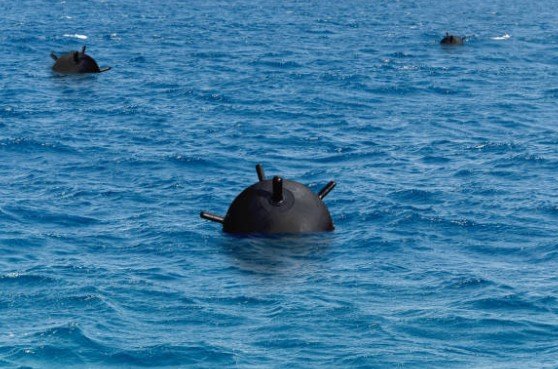
Global shipping operations through the Strait of Hormuz are unlikely to return to normal anytime soon, as approximately 80 sea mines remain in the vital maritime corridor, according to the international tanker owner association Intertanko.
Although several vessels began departing the Arabian Gulf on Thursday following the signing of a memorandum of understanding (MoU) between the United States and Iran, maritime industry experts warn that significant navigational hazards continue to threaten commercial shipping in one of the world’s most important energy trade routes.
Phil Belcher, Marine Director at Intertanko, stated that the central shipping lane through the Strait of Hormuz remains unsafe and effectively closed due to the presence of mines laid during the recent conflict.
“The main route through the middle of the Strait of Hormuz is closed and dangerous,” Belcher said. “The latest figure we had was that there are 80 mines in the Strait of Hormuz. It is an enormous amount and it is going to take some time to clear.”
During the conflict, Iran reportedly deployed mines within the Traffic Separation Scheme (TSS), the internationally recognized shipping route established between Iran and Oman in 1968. The move restricted the movement of oil tankers, cargo ships, and other commercial vessels navigating the strategic waterway.
The disruption left nearly 20,000 seafarers stranded on either side of the strait. While some vessels managed to transit the area at night near the Omani coastline with assistance from the United States and their tracking systems switched off, others reportedly paid fees to pass through Iranian-controlled waters in an arrangement informally referred to as “Tehran’s tollbooth.”
The global maritime industry is eager to restore access to the traditional shipping corridor, which before the conflict safely handled approximately 130 vessels per day. The Strait of Hormuz has historically been one of the world’s most critical energy chokepoints, carrying roughly 20% of global oil shipments.
Belcher compared the current situation to a major highway operating with its central lanes closed.
“This is like a highway where the road in the middle is closed and ships are being forced to use the hard shoulder,” he explained. “We need to get the highway open so traffic can move safely and efficiently.”
Industry leaders are particularly concerned about vessels being forced to navigate closer to the Omani coastline, where the risk of grounding on rocky areas is significantly higher. The narrow alternative route is also increasing congestion, creating elevated risks of maritime collisions.
Adding to these concerns are reports of signal jamming during the conflict. Maritime operators claim that electronic interference disrupted vessel navigation and positioning systems, making it difficult for ships to accurately determine their location while transiting the strait.
Shipping experts warn that any major incident, including a collision, grounding, or vessel sinking, could trigger further disruptions to global trade. The industry continues to remember the impact of the 2021 Ever Given incident, when the container ship blocked the Suez Canal for nearly a week and disrupted international supply chains.
According to industry estimates, nearly 600 vessels remain anchored within the Gulf after months of disruption, creating a substantial backlog that could take considerable time to clear even if regional tensions continue to ease.
Richard Meade, Editor-in-Chief of maritime intelligence provider Lloyd’s List, said the shipping sector is facing an unprecedented situation.
Read: Germany Deploys Naval Minesweeper to Safeguard Global Oil Shipping Routes in the Strait of Hormuz
“We are in uncharted territory,” Meade said. “I don’t think shipping in the Strait of Hormuz is getting back to normal this year.”
The ongoing mine-clearance operation and continued navigational challenges suggest that one of the world’s most strategically important maritime trade routes may remain under pressure for months, with potential implications for global energy markets, tanker freight rates, marine insurance costs, and international supply chains.