Qatar Moves LNG Tankers through Strait of Hormuz as Global Gas Market Watches Export Recovery
Qatar LNG shipments gain momentum as empty gas carriers return through key maritime chokepoint amid efforts to restore global energy supplies
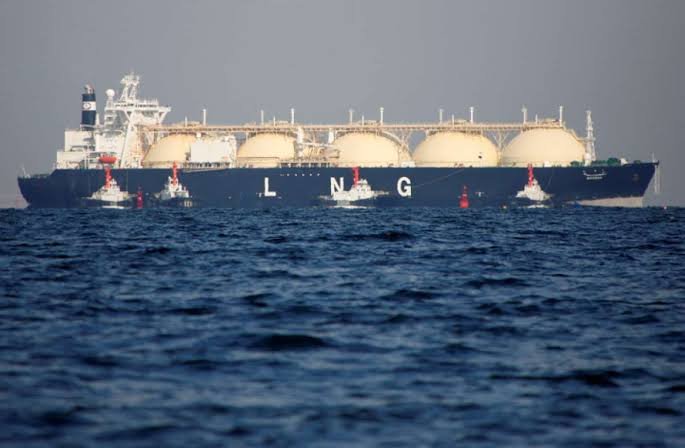
Qatar has begun moving more empty liquefied natural gas (LNG) carriers through the Strait of Hormuz, signaling preparations to restore exports from one of the world’s largest LNG hubs after weeks of disruption linked to regional tensions.
Four LNG vessels owned by Qatar’s shipping arm or operating under long-term charter agreements are currently transiting the strategic waterway, according to ship-tracking data. If the vessels complete the passage successfully, it would represent the largest single-day movement of empty Qatar-linked LNG carriers through the Strait of Hormuz since the conflict began more than three months ago.
Additional Qatar-associated LNG tankers are also positioning near the region, with five vessels reported near eastern Oman and several others approaching the area. The movement highlights growing confidence among shipping operators that LNG trade routes through the Persian Gulf may gradually return to normal operations.
Read: Qatar LNG Force Majeure Deepens Energy Supply Crisis as US LNG Supply Stabilizes Global LNG Market
Qatar, the world’s second-largest LNG exporter before the crisis, suspended major production activities after attacks targeted its large-scale liquefaction infrastructure and the closure of the Strait of Hormuz disrupted access to international markets. The country is aiming to restore most LNG production within two months once safe navigation through the waterway is fully re-established.
The return of empty LNG carriers marks a significant shift in maritime activity. Before the latest movements, Qatar had avoided sending empty LNG vessels into the Persian Gulf because of security risks surrounding one of the world’s most important energy shipping routes.
Qatar has continued limited LNG exports during the disruption, shipping more than 300,000 tonnes of LNG in the week ending June 19 — the highest weekly volume since early March. However, export levels remain significantly below previous capacity, representing only around one-fifth of normal volumes before the escalation of tensions involving the United States and Iran.
The increase in LNG tanker movements follows an interim agreement between the United States and Iran aimed at reopening the Strait of Hormuz and improving maritime access. The development has raised expectations that commercial shipping, including LNG transportation, could gradually recover. However, geopolitical risks remain elevated, with continued threats and conflicting statements from regional actors creating uncertainty for energy markets.
Global energy traders are closely monitoring the restart of Ras Laffan Industrial City, home to the world’s largest LNG export facility. A rapid recovery of Qatar’s LNG production could help stabilize international natural gas prices and improve supply security for major import markets across Asia and Europe.
Meanwhile, QatarEnergy reported an incident during the startup process at the Ras Laffan complex that caused an explosion and fire at the Barzan gas supply facility. The facility provides gas for domestic industries and power generation, and authorities are assessing whether the incident will impact LNG production schedules.
As Qatar works to restore its LNG export operations, the movement of specialized gas carriers through the Strait of Hormuz will remain a key indicator for the future of global LNG shipping, energy security, and maritime trade stability.