Hormuz Shipping Traffic Rebounds as Oil Tankers Return to the Persian Gulf
After several days of disruption caused by heightened security concerns, commercial shipping activity through the Strait of Hormuz is showing clear signs of recovery as crude oil tankers, LNG carriers, and bulk vessels resume operations in one of the world’s most strategically important maritime corridors.
According to vessel-tracking data from Kpler, approximately 24 commodity vessels, including crude oil tankers, liquefied natural gas (LNG) carriers, and bulk carriers, transited the Strait of Hormuz in both directions on 29 June. The increase represents the first significant rebound in vessel movements since recent security incidents prompted many shipowners and operators to delay voyages or reassess passage through the waterway.
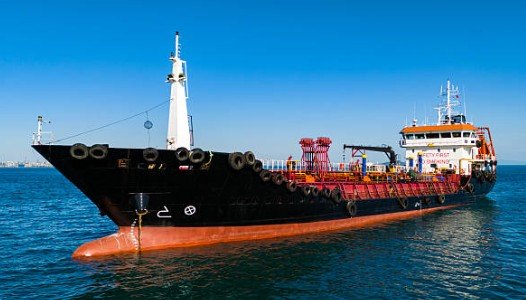
Private tanker operators accounted for most of the inbound traffic into the Persian Gulf, highlighting a gradual return of confidence among commercial shipping companies. A Saudi Arabian-flagged Very Large Crude Carrier (VLCC) also re-entered the Gulf after reportedly passing through the strait with its Automatic Identification System (AIS) switched off during transit. Combined, the inbound crude tankers have the capacity to transport nearly 9 million barrels of oil, reflecting improving confidence in the route despite ongoing regional uncertainty.
Among the vessels entering the Gulf were three empty VLCCs operated by South Korea’s Sinokor, which continued transmitting AIS signals while sailing along Oman’s coastline before proceeding through the Strait of Hormuz.
A Marshall Islands-flagged Suezmax tanker managed by a Greek shipping company also appeared inside the Persian Gulf after previously broadcasting its position from the Gulf of Oman on 27 June. The vessel is believed to have crossed the strait without transmitting AIS signals during part of its voyage.
Another notable arrival was the Nisalah, a VLCC operated by Bahri (National Shipping Company of Saudi Arabia). The tanker successfully completed its inbound transit and is currently positioned off Ras Tanura, Saudi Arabia’s principal crude oil export terminal and one of the world’s largest refining hubs.
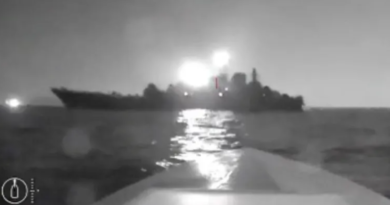
The recovery in shipping traffic follows an agreement between Iran and the United States to pause recent hostilities in the Gulf and resume diplomatic discussions aimed at easing tensions around the Strait of Hormuz. The diplomatic effort comes after several days of military exchanges that began when an Iranian projectile struck a cargo vessel transiting the waterway. Both governments later accused each other of violating an interim ceasefire.
Despite the increase in commercial vessel movements, maritime security concerns remain. The International Maritime Organization (IMO) has temporarily suspended its emergency evacuation framework for the Strait of Hormuz. IMO Secretary-General Arsenio Dominguez stated that the framework will remain on hold until credible safety assurances are established, emphasizing that risks to commercial shipping continue even as vessel traffic gradually returns to normal.
The Strait of Hormuz remains one of the world’s most critical maritime chokepoints, handling a significant share of global crude oil and LNG exports. Shipping companies and energy markets continue to closely monitor developments in the region, as any disruption can have immediate consequences for global energy supply chains, freight markets, marine insurance, and international trade.