Iran Rejects U.S.-Led Gulf Security Talks, Says Strait of Hormuz Falls under Tehran’s Authority
Iran has strongly criticized the recent U.S.-led regional security talks held in Bahrain, arguing that military discussions cannot create a legal or security framework for the Persian Gulf and the strategically important Strait of Hormuz.
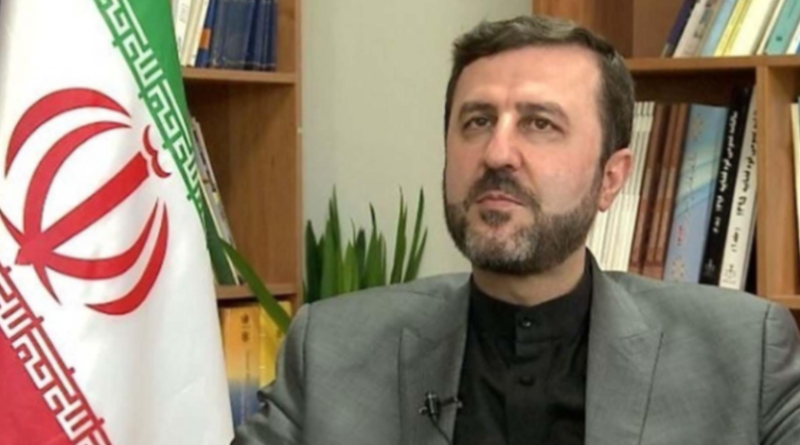
Kazem Gharibabadi, Iran’s deputy foreign minister, made the remarks in a post on X on Thursday, July 2, emphasizing that the Strait of Hormuz is governed by Iran and “not CENTCOM.”
Read: Iran Seeks Permanent Authority Over Strait of Hormuz as Maritime Tensions Escalate
According to Gharibabadi, lasting regional security can only be achieved by ending foreign intervention, withdrawing U.S. military forces from the region, respecting the sovereignty of regional states, and recognizing evolving geopolitical realities.
“Regional security will be achieved through an end to foreign intervention, the withdrawal of the United States from the region, respect for the sovereignty of countries, and acceptance of new geopolitical realities, not under the U.S. military umbrella,” he wrote.
His comments came one day after the U.S. Central Command (CENTCOM) announced that senior military officials from 12 countries gathered in Bahrain to discuss regional maritime security and navigation through one of the world’s busiest shipping corridors.
According to CENTCOM, representatives from Saudi Arabia, the United Arab Emirates, Qatar, Oman, Kuwait, and other participating nations reaffirmed their commitment to ensuring the free flow of commerce through the Strait of Hormuz, a vital maritime chokepoint that handles a significant share of global energy shipments and international trade.
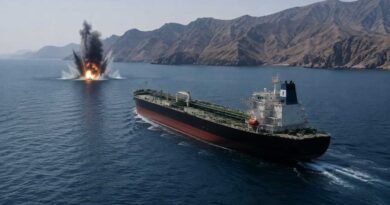
The latest exchange highlights continuing differences over security arrangements in the Persian Gulf, where the Strait of Hormuz remains a strategically important route for commercial shipping, oil exports, and global maritime trade.
As geopolitical tensions continue to shape regional security discussions, the Strait of Hormuz remains under close watch by the international shipping industry due to its critical role in maintaining uninterrupted global supply chains and energy transportation.