Iran Seeks Permanent Authority Over Strait of Hormuz as Maritime Tensions Escalate
Iran is pursuing international recognition of its authority over the Strait of Hormuz, including the ability to regulate vessel movements and eventually levy fees on ships transiting the strategic waterway, according to two senior Iranian sources familiar with the negotiations.
The move could significantly reshape global maritime trade, oil tanker operations, marine insurance, and energy supply chains, as the Strait remains one of the world’s most critical shipping corridors.
Under an interim agreement reached with the United States earlier this month to pause their three-month conflict, Iran agreed to allow commercial vessels to pass through the Strait for a 60-day period without charging transit fees. However, Iranian officials interpret the agreement as allowing Tehran to continue controlling which ships may enter the waterway and the routes they must follow.
According to the sources, Iran intends to secure international acceptance of this authority before broader peace negotiations with Washington advance to other issues.
Shipping Fees Could Begin after Interim Agreement Expires
If the temporary arrangement is not extended, Iran plans to begin charging vessels for passage through the Strait beginning in mid-August, although officials have not yet announced a fee structure or explained how the charges would be implemented.
During the recent conflict, Iran temporarily closed the Strait of Hormuz, and Iranian authorities stated that some vessels were required to pay navigation or other service-related fees before departing the Gulf.
Strait of Hormuz Remains Vital to Global Energy and Maritime Trade
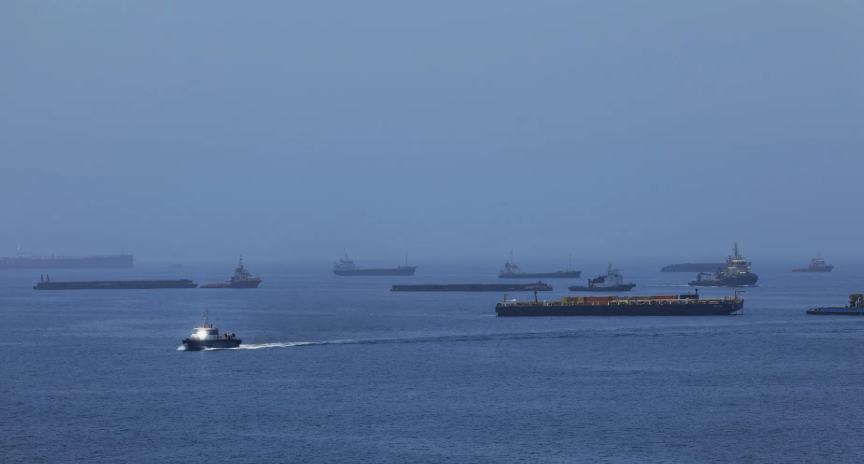
The Strait of Hormuz is among the world’s most strategically important maritime chokepoints. Before the conflict, approximately one-fifth of global energy supplies, along with large volumes of liquefied natural gas, petrochemicals, and other critical cargo, transited the narrow waterway.
Industry analysts warn that any permanent system requiring shipping fees, mandatory routing, or additional formalities could increase operational costs, create voyage delays, raise marine insurance premiums, and introduce new risks for international shipping companies.
Historically, commercial vessels have transited the Strait without paying tolls.
U.S. Rejects Iranian Interpretation
Iran’s interpretation differs sharply from Washington’s understanding of the June 17 Memorandum of Understanding.
U.S. President Donald Trump stated last week that commercial shipping would not face transit tolls through the Strait unless Washington itself decided otherwise.
Secretary of State Marco Rubio also reaffirmed that no country has the right to block international shipping or impose fees for passage through an international waterway.
Despite those statements, Iranian officials maintain that the interim agreement allows Tehran to retain operational control over vessel transit during the temporary period, even though it agreed not to collect fees while the arrangement remains in force.
Read: Iran and Oman Launch First Strait of Hormuz Talks as US-Iran Shipping Deal Faces Uncertainty
Iran Plans Transit Discussions with Oman
Iran has announced plans to hold discussions with Oman regarding shipping transit routes through the Strait. Oman borders the southern side of the strategic waterway and plays a key role in regional maritime navigation.
The talks are expected to focus on defining transit paths while broader negotiations continue.
Weekend Maritime Incident Highlights Rising Risks
Maritime tensions increased over the weekend after Iranian forces reportedly fired on four ships attempting to transit the Strait along the Omani side without first obtaining Iranian authorization.
The incident triggered a brief but intense exchange of fire involving the United States, underscoring the fragile security environment in one of the world’s busiest shipping lanes.
Iran Signals It Will Not Return to Pre-War Status Quo
One senior Iranian official said Tehran believes the post-conflict environment presents a historic opportunity to establish a new framework governing navigation through the Strait of Hormuz.
Under Iran’s proposed approach, Tehran would determine how vessels enter and exit the waterway, reserve the right to deny passage to ships it considers security threats, and collect fees for compulsory maritime services.
The official added that Iran is prepared to pursue these objectives even if negotiations fail and tensions with the United States intensify again.