Hormuz Strait Shipping Slows as Oil Tanker Traffic Falls and LNG Floating Storage Builds Amid Middle East Conflict
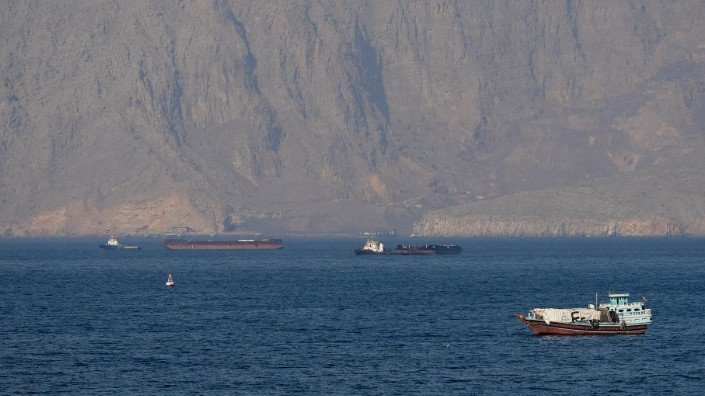
The flow of commercial shipping through the Strait of Hormuz, one of the world’s most strategically important maritime chokepoints, remained subdued over the weekend as military tensions between the United States and Iran continued to escalate, according to vessel tracking data released on Monday.
Shipping intelligence from LSEG showed that only four commercial vessels transited the Strait of Hormuz on Sunday, compared with eight vessels the previous day. Since Friday, at least three oil products tankers and one Very Large Crude Carrier (VLCC) have entered the strait to load crude oil and petroleum products.
LSEG’s tracking data covers a broad range of commercial vessels, including container ships, bulk carriers, vehicle carriers, and tankers transporting oil, liquefied natural gas (LNG), chemicals, and refined petroleum products.
The decline in tanker traffic comes as the regional security situation continues to deteriorate. On Sunday, the United States announced it had completed an eighth consecutive night of military strikes against Iran, while U.S. allies Kuwait and Bahrain also reported further Iranian attacks.
Maritime Security Risks Continue to Impact Global Energy Shipping
The escalating conflict has increasingly affected commercial shipping in the Gulf region.
The United States says it is enforcing a naval blockade on Iranian ports, while Iran has stated that it is targeting vessels it claims are violating its navigation rules in the Strait of Hormuz. The narrow waterway normally carries around one-fifth of global oil trade, making it one of the world’s most critical energy transit routes.
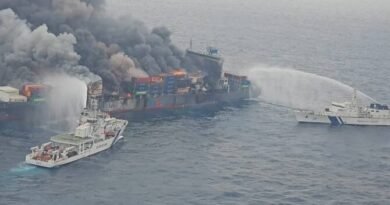
Meanwhile, the United Kingdom Maritime Trade Operations (UKMTO) reported on Monday that it received information indicating a vessel was on fire approximately 8 nautical miles (14.8 kilometres) northwest of Kumzar, Oman. UKMTO said the cause of the fire had not yet been verified.
LNG Shipments Slow as Floating Storage Expands Inside the Gulf
Liquefied natural gas exports have also been affected by the disruption.
No LNG carriers have been visibly transiting the Strait of Hormuz since Thursday, although some tankers and commercial vessels are known to switch off their transponders while operating in high-risk areas, making their movements difficult to track.
According to vessel tracking data from S&P Global Energy, the combined 10-day moving average of loaded LNG cargoes passing through the strait dropped to 0.2 cargoes per day by July 15, compared with approximately 0.8 cargoes per day in late June.
Only one LNG cargo is known to have departed the Gulf during the past week.
Qatar and UAE LNG Production Remains Steady
Despite the slowdown in outbound shipping, LNG production and vessel loading operations in Qatar and the United Arab Emirates have continued at a relatively strong pace, according to analysts at S&P Global Energy.
As a result, an increasing volume of LNG is now being held aboard tankers waiting inside the Gulf for safer export conditions.
S&P Global estimates that seven fully loaded Qatari LNG carriers were collectively storing approximately 0.57 million metric tons of LNG by mid-July. In total, nearly 1.9 million metric tons of LNG tanker capacity is currently positioned inside the Gulf, equivalent to roughly eight days of typical pre-conflict peak LNG exports from the two exporting countries.
Analysts noted that if restrictions on navigation through the Strait of Hormuz ease in the coming weeks, these waiting LNG carriers could allow exporters to rapidly increase shipments by releasing cargoes that have already been produced and loaded.
The latest shipping data highlights how geopolitical tensions in the Middle East are continuing to influence global oil markets, LNG supply chains, tanker operations, freight rates, and maritime security, with the Strait of Hormuz remaining a critical focal point for international energy trade.
Related:
- Gulf Crude Oil Exports Surge in July as Strait of Hormuz Shipping Slows Amid Renewed Regional Tensions
- Oil Tanker Hit in Strait of Hormuz as Iran-US Conflict Escalates, Raising Fresh Maritime Security Concerns
- Oil Prices Surge above $100 as Fujairah Port Suspends Oil Loadings after Middle East Energy Infrastructure Attack
- Oil Prices Drop 7% as Trump Signals Possible End to Middle East Conflict