Fresh Houthi Red Sea Attacks Hit Suez Canal Recovery as Oil Tanker Traffic Falls to Multi-Month Low
Fresh attacks in the Red Sea by Yemen’s Houthi rebels are once again disrupting one of the world’s busiest maritime trade routes, placing renewed pressure on Egypt’s efforts to restore Suez Canal traffic while increasing concerns over rising shipping costs, marine insurance premiums and global energy supply chains.
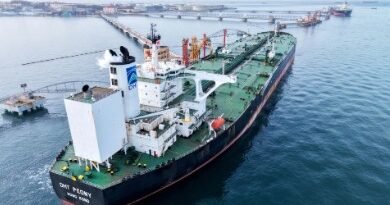
According to vessel-tracking data from Kpler cited by Reuters, only 11 commodity tankers transited the Bab el-Mandeb Strait on Sunday, marking the lowest daily tanker movement through the strategic waterway in several months. The decline highlights growing caution among shipowners as security risks escalate across the Red Sea.
The Bab el-Mandeb Strait connects the Red Sea with the Gulf of Aden and serves as the southern entrance to the Suez Canal. Together, these vital maritime corridors handle a significant share of global seaborne trade, crude oil exports and container shipping between Asia, Europe and the Middle East.
The latest disruption follows renewed attacks by Yemen’s Iran-backed Houthi movement, which has intensified operations against commercial shipping. Since late 2023, the group has repeatedly targeted merchant vessels in the Red Sea, saying the attacks are aimed at ships linked to Israel and its allies during the Gaza conflict.
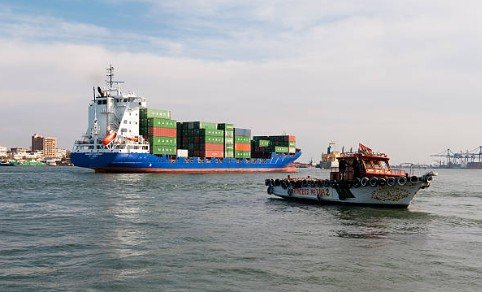
The continued security threat has forced many shipping companies to avoid the Red Sea, rerouting vessels around the Cape of Good Hope. While this alternative route reduces security risks, it significantly increases voyage times, fuel consumption, operating expenses and freight rates, adding further pressure to global supply chains.
Last week, the Houthis announced a blockade on Saudi oil shipments and attacked two Saudi oil tankers, prompting several shipping operators to reassess planned voyages through the region. As the threat level increased, some vessels already sailing toward the Red Sea continued their journeys, while others reversed course before entering the Bab el-Mandeb Strait.
Of the 11 vessels that passed through the strait on Sunday, seven were oil tankers. Four were outbound while three were inbound. Two inbound Very Large Crude Carriers (VLCCs) were heading to Saudi Arabia’s Red Sea port of Yanbu to load crude oil, while the third was linked to Russia.
Among the outbound tankers, three were transporting crude oil from Saudi Arabia, the United Arab Emirates and Russia to China, while another carried Saudi crude destined for Pakistan.
Shipowners are also adopting additional security measures to reduce exposure. Reports indicate that at least one tanker carrying Saudi crude temporarily switched off its Automatic Identification System (AIS) transponder while navigating the Bab el-Mandeb Strait, limiting its electronic visibility as threats against commercial vessels intensified.
Maritime intelligence firm Windward reported that tanker operations at Yanbu have become increasingly discreet following the renewed attacks.
“Yanbu port has transitioned from predominantly AIS-active to entirely AIS-dark tanker operations at berth as vessels shield against the Houthi hit list,” the company said.
The renewed instability presents another challenge for Egypt, which continues to face economic pressure from reduced Suez Canal traffic. The decline in vessel transits has significantly affected one of the country’s most important sources of foreign exchange revenue, adding strain to an economy already dealing with elevated debt-servicing costs and persistent inflation.
The prolonged security crisis has fundamentally reshaped global shipping patterns. Many shipping companies continue to bypass the Red Sea and Suez Canal in favour of the longer voyage around southern Africa. Although safer, the diversion increases bunker fuel consumption, marine insurance costs and delivery times, with higher transportation expenses eventually affecting global oil prices and the cost of imported goods.
Despite recent signs of easing tensions between the United States and Iran, shipping companies remain reluctant to restore normal operations through the region. Traffic through both the Bab el-Mandeb Strait and the Strait of Hormuz remained subdued on Monday, indicating that operators are waiting for a sustained improvement in maritime security before resuming regular transit schedules.
Industry analysts warn that if attacks continue, the disruption could further delay the recovery of Suez Canal traffic, prolong financial pressure on Egypt and keep freight costs elevated for businesses trading with African markets. The ongoing uncertainty also raises concerns for global energy markets and international maritime trade, as one of the world’s most strategically important shipping corridors continues to face persistent security threats.