Pakistan PM Sets 30% Pre-Arrival Clearance and 65% Green Channel Target to Speed Up Cargo Clearance
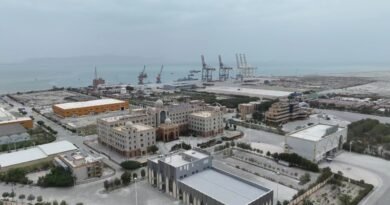
Prime Minister Shehbaz Sharif has approved targets to accelerate trade and cargo clearance in Pakistan, including achieving 30% pre-arrival clearance and increasing the share of cargo processed through the green channel to 65% by the end of the current financial year.
The measures are focused on improving customs clearance, trade facilitation, logistics and cargo processing while reducing unnecessary delays and business costs. Chairing the first meeting of the Trade Facilitation Board on Thursday, Prime Minister Sharif directed authorities to remove unnecessary delays from trade procedures and take effective measures to promote exports. He said the government was committed to providing the business community with every possible facility and making trade and commercial activity easier.
During the meeting, participants were briefed on targets under the Time Release Automated System for all ports. The system is part of the measures being pursued to improve the processing of cargo at Pakistan’s ports and facilitate trade-related procedures.
The government has also set a target to increase the number of Authorised Economic Operators to more than 50 by the end of the current financial year.
Prime Minister Sharif directed authorities to conduct a comprehensive audit of all non-tariff measures and remove unnecessary barriers to trade. He approved the formation of a working group to review these measures and directed it to submit a roadmap within one month for eliminating unnecessary regulations and facilitating trade.
The prime minister also directed authorities to take effective measures to bring direct shipping lines to Pakistani ports. He said such facilities would make the movement of products from Pakistani factories to global buyers easier and faster.
The directive places shipping lines, ports and logistics among the key areas of the government’s trade facilitation agenda, particularly in relation to the movement of products from Pakistan to international markets.
Government Targets Faster Services at High-Volume Ports
Prime Minister Sharif directed all relevant agencies operating at high-volume ports to provide services to the business community at a single location.
He also called for promoting joint inspections and joint profiling by different government agencies. The measures are intended to address delays in trade-related procedures by improving coordination among the agencies involved in cargo processing.
The prime minister further directed authorities to prepare a National Trade Performance Index to measure key indicators related to Pakistan’s trade and cargo clearance system.

The index will measure cargo dwell time, customs clearance, logistics, ship clearance time, post-clearance audits and pre-clearance, among other key indicators.
These indicators will provide a framework for measuring different stages of the trade process, including the time required for cargo and ship clearance as well as procedures carried out before and after cargo release.
Focus on SMEs and Trade Barriers
The meeting also highlighted the importance of small and medium-sized enterprises (SMEs) in Pakistan’s trade sector.
Prime Minister Sharif directed authorities to take special measures to increase the share of SMEs in trade. He also called for mapping the various stages of SMEs’ trading journeys to identify the obstacles they face.
The directive is part of the broader effort to identify barriers affecting businesses as they participate in trade and commercial activities.
Sharif also called for making the risk-management system in trade more effective. He directed that controls should extend from the pre-arrival stage to the post-release stage in order to speed up cargo clearance.
The prime minister said only high-risk cargo should be subjected to detailed inspection.
The approach outlined at the meeting places greater emphasis on risk-based controls during the cargo clearance process, while maintaining detailed inspections for shipments identified as high risk.
Pakistan to Increase Use of Artificial Intelligence
Prime Minister Sharif also directed officials to make greater use of artificial intelligence (AI) to improve risk management and speed up trade processes.
The use of AI was specifically linked to improving risk management and accelerating procedures associated with trade and cargo clearance.
The prime minister said the primary objective of the Trade Facilitation Board was to remove obstacles in all trade-related procedures.
He stressed that trade facilitation was essential to making Pakistan an effective part of regional and global supply chains.
The targets approved during the meeting cover several areas of Pakistan’s trade and logistics system, including pre-arrival clearance, green-channel processing, Authorised Economic Operators, customs clearance, port services, shipping lines, risk management and artificial intelligence.
With the government targeting 30% pre-arrival clearance and a 65% share of cargo processed through the green channel by the end of the current financial year, the Trade Facilitation Board has been tasked with addressing obstacles across trade-related procedures and improving the efficiency of cargo movement through Pakistan’s ports.
Read:Trade Sector Gains Rs500 Million Relief After Maritime Minister Suspends KPT Tariff Hike